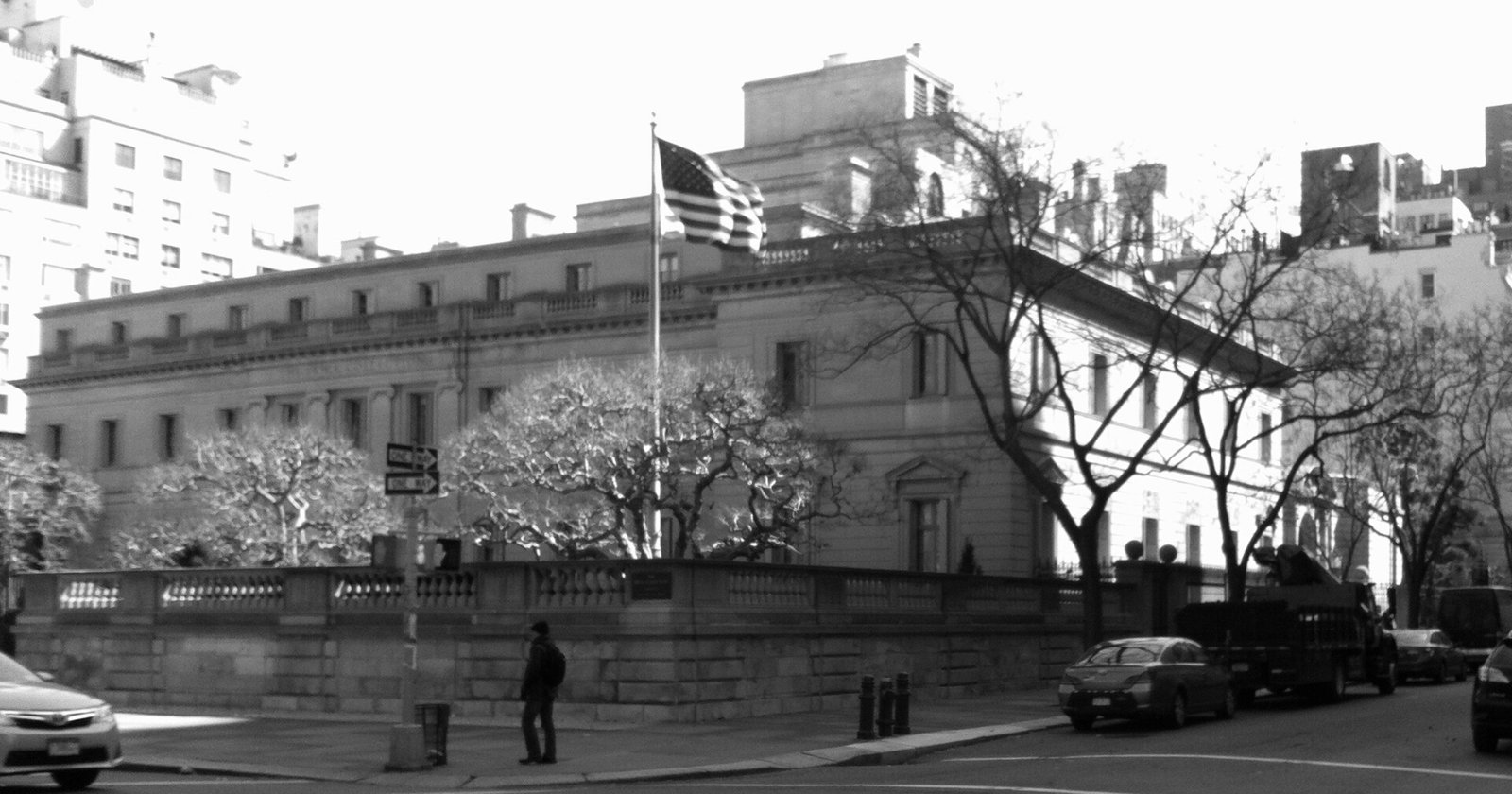
Black on Paper, Soulages Closes His Works on Paper Show on East 64th
Twenty-two ink, gouache and walnut-stain works at Lévy Gorvy Dayan, most never shown before, leave the Upper East Side gallery on Saturday
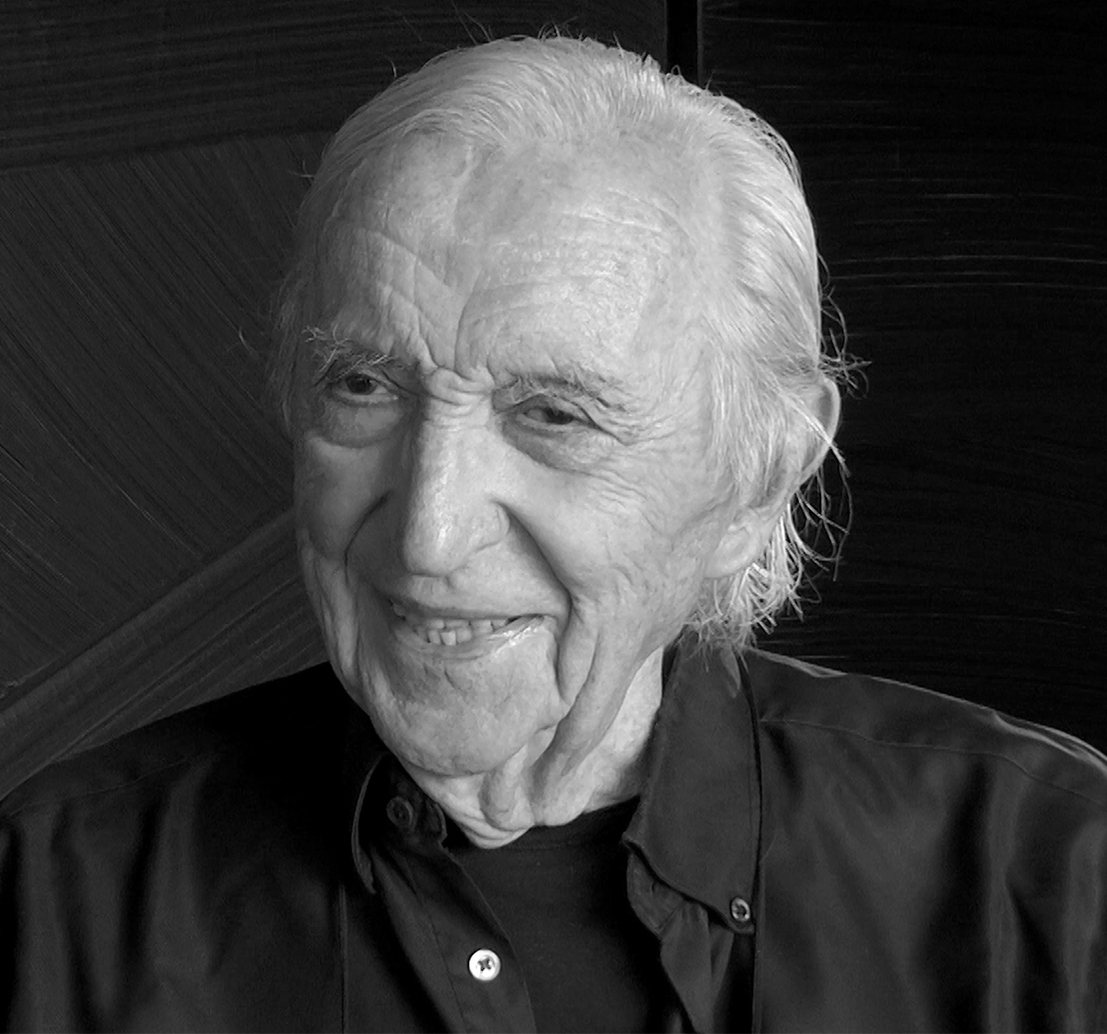
Most painters use black to end an argument. Pierre Soulages used it to start one.
*Pierre Soulages: Paintings on Paper* closes Saturday, October 24, at Lévy Gorvy Dayan, the gallery at 19 East 64th Street. It opened September 17. The show gathers more than twenty works on paper, and most of them have never been exhibited before, according to the gallery.
There is one week left. After that, the sheets go back to the archive.
The Painter of Black
Soulages was born in Rodez, in southern France, on December 24, 1919, and died in Nîmes in October 2022, at 102. He spent most of a very long career on one color. Around the age of 60, he began the work he called outrenoir, usually translated as "beyond black," in which light skims off thick black surfaces.
The honors arrived late and kept coming. The Louvre gave him an exhibition in December 2019 to mark his 100th birthday. A museum devoted to his work opened in Rodez in 2014. Between 1987 and 1994 he made 104 stained glass windows for the abbey church of Sainte-Foy in Conques.
What Is on the Wall
Paper was where Soulages started. The gallery says it was his first support, from the mid-1940s, and that his works on paper often worked out ideas before they showed up in his oil paintings. The materials here are walnut stain, gouache and ink. Paper drinks pigment fast, so every mark is a decision with little room to take it back.
The show was organized with the artist's widow, Colette Soulages. The gallery says it is the sixth solo exhibition of his work that Dominique Lévy has presented over her long relationship with the artist and his estate. The gallery calls the works on paper "the purest form of his painterly expression," and quotes Soulages describing the urge behind them as an "inner imperative."
"The purest form of his painterly expression." Lévy Gorvy Dayan, on the works on paper
Among the works the gallery highlights are a large walnut stain sheet from 2003, a walnut stain from 1999 and an ink from 1995, both mounted on canvas, and a gouache from 1977. Kun Sok, reviewing the show for FAD Magazine, counts 22 works made between 1963 and 2004.
An Argument About a Preposition
Kun Sok's review turns on a single word in the title. Why paintings *on* paper? She argues that the preposition puts painting above its support, as if paper were a passive surface. In practice, she writes, the way paper absorbs, dries and lets pigment spread shapes the image as much as the brush does.
She also questions the hang. Seventeen of the 22 works are mounted, some of them on canvas. That can hide the thinness, wrinkles and edges of the sheet, so a viewer sees a finished painting before noticing the paper at all.
The critic Michel Ragon, she notes, wrote in 1962 that a work on paper can become a painting once it is fixed to canvas, a "miracle of appearances, of deceptive appearances." Her counterproposal is "paintings made through paper."
It is a sharp point, and a good reason to go in person. You can test her eye against your own.
What She Saw
Kun Sok writes that the black and rust-brown ink works first call East Asian ink painting to mind. Then the difference shows. Soulages lays down broad, heavy planes, not a moving line. The walnut stain works set dense passages that look like rusted iron against translucent washes and bare paper. The blue gouache is opaque and sits on the surface instead of sinking in.
Soulages had his own name for these pieces. FAD notes that he used the French phrase *peintures sur papier* for works he did not consider drawings.
What to Know Before You Go
The gallery is at 19 East 64th Street and is open Tuesday through Saturday from 10 a.m. to 6 p.m., according to its locations page. That leaves five days, ending Saturday, October 24.
For another show that puts works on paper in front of the city this month, see the Tiffany studio drawings at the Met.
Black does not end the argument. On Saturday it simply goes back in the crate.