Endless Column, Brancusi Takes the Whole Sixth Floor at MoMA
A Paris studio on the impasse Ronsin arrives on West 53rd Street with rarely lent sculpture, hand-carved bases and photographs, opening October 25
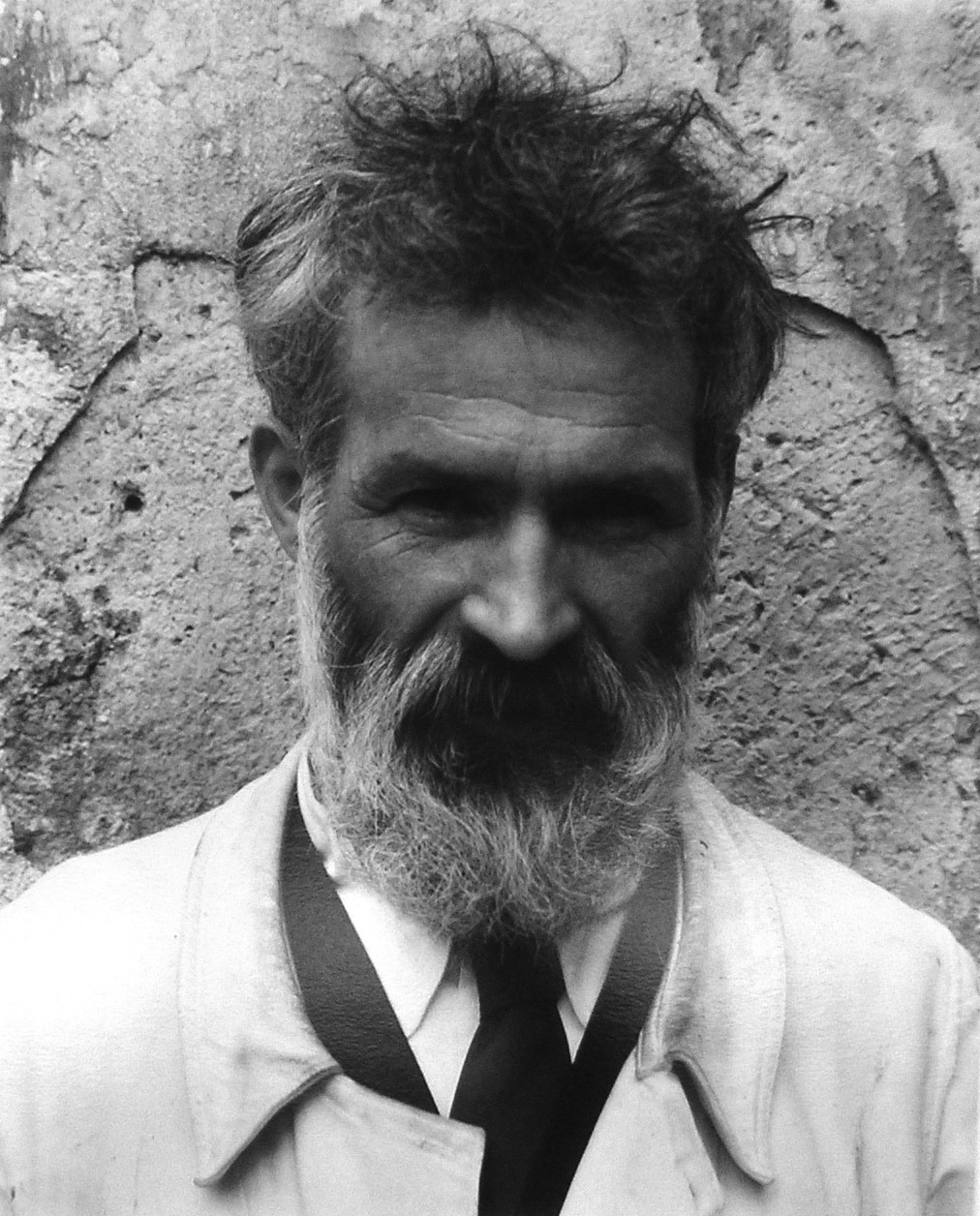
The sculptor lived in his studio, and the studio was the sculpture. That is the idea behind the biggest bet on West 53rd Street this fall.
On October 25, the Museum of Modern Art opens Brancusi: The Artist and His Studio, a show that takes over the entire sixth floor. It runs through February 27, 2027, according to MoMA's press page for the exhibition.
The Room Behind the Work
Constantin Brancusi lived from 1876 to 1957. From 1916 until his death he worked in a studio on the impasse Ronsin in Paris. MoMA describes it as a lively place where he lived and worked, entertained friends and clients, and showed his sculptures.
The show is built around that room instead of around a timeline. It pairs sculptures with the hand-carved furniture and bases, tools, films, photographs and archival material that surrounded them. MoMA calls it a once-in-a-generation chance to see sculptures that are rarely lent. Much of that material comes from the Atelier Brancusi, which the Centre Pompidou houses permanently in Paris, and it sits alongside works from MoMA's own collection.
In his roundup of MoMA's autumn shows, Time Out's Mark Peikert calls it "the fall's big name." The shorthand fits. Few artists are as tied to one address as Brancusi is to his.
What Is on the List
MoMA's press page names a handful of works that give a sense of the range. There is Leda from 1926, in polished bronze on a nickel silver disk with marble and granite bases. Newborn II, from 1927, is stainless steel. Sleeping Muse, from 1910, is polished bronze. Exotic Plant, from 1923 to 1924, is carved in oak and set on limestone, and Timidity, from 1917, is limestone on a two-part oak base.
MoMA's own Bird in Space, a bronze from 1928, is on the list, along with a 1918 version of Endless Column in oak that Mary Sisler gave to the museum in 1983. There is also a 1928 plaster portrait of Nancy Cunard on a plaster and oak pedestal.
The show is built around that room instead of around a timeline.
Photographs matter here too. MoMA lists a view of the studio from about 1929, a gelatin silver print that catches Princess X, Bird in Space, Leda, three Endless Columns and Exotic Plant sharing one space. A self-portrait in the studio from about 1934, made on a glass negative, shows the artist with four Endless Columns, Fish and Leda. These are the documents of a sculptor arranging his own rooms. The camera becomes another tool in the studio, and the pictures let the show reconstruct what the visitor cannot walk into.
That is the quiet ambition here. A museum cannot move a Paris workshop to Midtown. What it can do is gather the objects that made the workshop what it was. MoMA's list suggests a show that treats the bases, the furniture and the photographs as part of the story, not as supporting players for the finished sculptures.
It also helps that the loans are rare. The Atelier Brancusi has a permanent home at the Centre Pompidou, so seeing its holdings cross the Atlantic is the kind of chance that does not come around often. The Pompidou staged its own Brancusi exhibition in 2024, and this show draws on that institution's curators as well as MoMA's.
The Curators
Anne Umland is guest curator. Mia Matthias, assistant curator in MoMA's Department of Painting and Sculpture, and Samantha Small, curatorial assistant in the same department, also organized the show. Ariane Coulondre and Valérie Loth of the Centre Pompidou are credited as well. They organized Brancusi: Art Is Just Beginning in Paris in 2024.
Hyundai Card is the presenting partner, and MoMA lists the Romanian Cultural Institute among the funders, a nod to the country Brancusi left as a young man. Bloomberg Philanthropies supports a Bloomberg Connects digital guide to the show.
Plan for a long look at the polished pieces. Their surfaces change with every step you take around them, and a crowd moving through the room becomes part of what the bronze reflects. For a very different take on bronze this season, see the Renaissance casts from Siena at the Frick, a short ride up Fifth Avenue on East 70th Street.
What to Know Before You Go
MoMA is at 11 West 53rd Street, between Fifth and Sixth Avenues, and the Brancusi show fills the sixth floor. The press page does not list admission prices or hours, so confirm both on moma.org before you go.
Make a full evening of the building. The Surrealist Book, which we covered earlier this month, is also on view at MoMA and treats the printed object as something closer to sculpture.
Go late in the afternoon, when the city outside starts to dim. Brancusi polished his bronzes until they gave the room back to you. Stand in front of one and see who is looking.