Art
Ink on Eastern Parkway, Art of Manga Opens at the Brooklyn Museum
More than 600 original drawings fill the Great Hall in the first major show in the Americas to treat manga as an art form
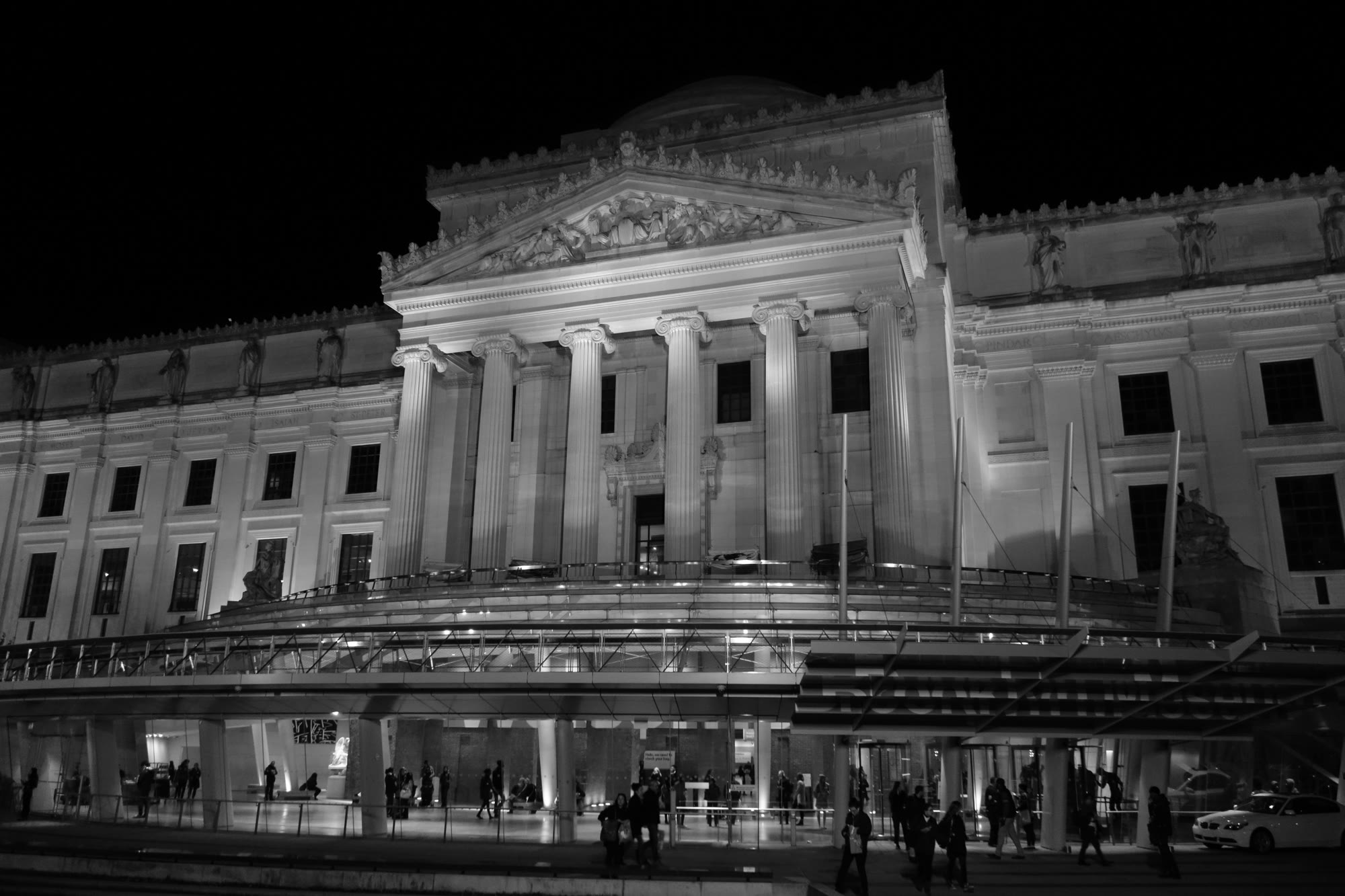
Watch any late train out of Manhattan and you will find someone deep in a paperback of black and white panels, thumbing right to left while the stations slide past. Starting today, the drawings behind those pages hang in the Great Hall of the Brooklyn Museum.
Art of Manga opens on Saturday, October 3, and runs through January 31, 2027. The museum calls it the first major exhibition in the Americas to treat manga, the Japanese comics and graphic novels now loved around the world, as an art form. It is also big. More than 600 drawings fill the soaring first-floor galleries, original drawings by artists who often still work by hand, in ink on paper.
The show was organized by the Fine Arts Museums of San Francisco, and Brooklyn is its East Coast debut. Nicole Coolidge Rousmaniere of the Sainsbury Institute for the Study of Japanese Arts and Cultures curated it at both venues. In Brooklyn, the presentation is overseen by Joan Cummins, the museum's curatorial chair for Asian art, and Pauline Vermare, its curator of photography.
The Hand Behind the Page
The core of the exhibition is a set of rooms given over to individual artists, called mangaka. Visitors pass through an introduction built around two founders of the modern form, Chiba Tetsuya, whose career runs back 70 years, and Akatsuka Fujio, the so-called king of gag manga. Akatsuka's tiny frog Beshi serves as the show's mascot.
From there the galleries turn to eight major names. Oda Eiichiro, whose ONE PIECE is one of the best-selling book series ever published, is here. So are Araki Hirohiko of JoJo's Bizarre Adventure and Takahashi Rumiko, the creator of Inuyasha, who has been a best-selling artist for more than 48 years. The list moves well past the blockbusters. Tagame Gengoroh is a leading artist in gay manga. The late Taniguchi Jirō was known for cinematic stories that ranged from history to science fiction to food. Yamazaki Mari trained as an oil painter in Florence and retells Western history in manga form. Yamashita Kazumi writes about social pressure and ordinary lives, and Yoshinaga Fumi is known for Ōoku: The Inner Chambers, her epic of the Edo period.
"US audiences almost never get a chance to see original drawings for Japanese manga, let alone such an extensive selection." Joan Cummins
That is the real draw. Printed manga is cheap, everywhere, and fast to read. The original pages, called genga, are the opposite. Up close, the drawings show the corrections, the confident strokes, and the way a single line can carry speed, sound, or a punch. The museum's exhibition page frames the subjects as wide open, from coming of age and hidden strength to environmentalism, gender roles, LGBTQ+ rights and inequality.
Smaller sections round it out. There are drawings by Itō Junji, the horror master, and by the team behind Drops of God, the wine saga. A closing room presents art prints from the publisher Shueisha, including ONE PIECE, The Rose of Versailles, and BLEACH.
Nine Hundred Years of Line
Next door, in the same hall, the museum has hung a smaller companion show from its own collection. Manga Before Manga gathers 21 works that trace Japanese picture storytelling back more than 900 years. The highlights include a 15th-century handscroll with graphic devices that look a lot like today's speech bubbles, and a famed illustrated book by Katsushika Hokusai, from the era when the word manga first began turning up in book titles. It is included in general admission and makes a smart first stop before the main event.
Up close, the drawings show the corrections, the confident strokes, and the way a single line can carry speed, sound, or a punch.
Rousmaniere has described manga as storytelling that uses the power of line to pull the reader into the story, and she has said that the sheer number of originals here should leave visitors fluent in the form by the time they reach the exit.
Before the Doors Close
Art of Manga requires timed tickets, and the museum is selling a $75 Manga Fan Pass that covers unlimited visits for one adult and a guest across the run, along with a collectible badge. The museum is open Wednesday through Sunday from 11 a.m. to 6 p.m., so plan for the afternoon and let the drawings follow you home.
The timing suits the season. Chelsea is already counting down to Yayoi Kusama's final decade next spring, and now one of the biggest pop forms in the world gets the Beaux-Arts treatment on Eastern Parkway. Go on a gray afternoon, stay until they turn you out, and read the rest on the 2 or 3 train.