Peep Show Hours, Live Sex Acts Revisits Times Square's Adult Past
A free, 18-and-over show at 1500 Broadway gathers photographs, rescued signs and recast neon from the clubs and theaters that once ran the Deuce
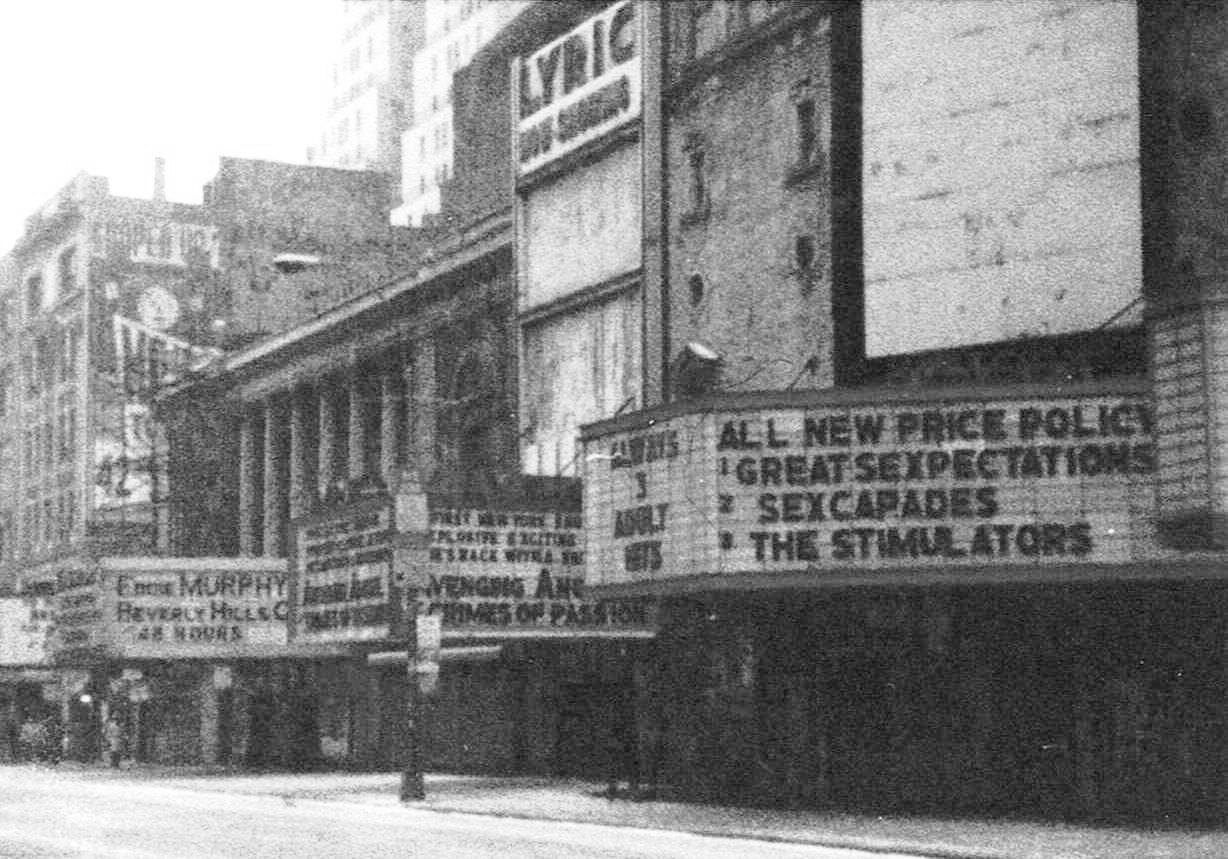
The corner of 43rd Street and Broadway used to sell a very different kind of ticket. Now it gives a look at that history away for free.
Times Square Space, at 1500 Broadway, is showing *Live Sex Acts*, an exhibition about the sex clubs, porn theaters, peep shows and strip clubs that ran Times Square from the late 1960s to the mid-1980s. Time Out New York was early to report it. The show opened September 18 and runs through November 15.
The title is a tease. Despite the name, Time Out notes, nobody performs.
The Room and the Rule
The space itself has a history of borrowed rooms. Times Square Space describes itself as an artist residency and exhibition program, founded in 2016, that sets up in vacant offices and storefronts. This one sits on the corner where the old neighborhood was most famous.
The exhibition listing on Art Rabbit credits Times Square Space and the organization New Discretions as presenters. The curators are Benjamin Tischer and Tiffany Zabludowicz.
The listing also explains part of why the clubs vanished. New York's zoning rules could treat a business as an adult establishment once 40 percent or more of its stock or floor space went to adult material, and that label came with strict limits on where it could operate. The rule became known as "60/40." The exhibition text says it helped push the clubs out.
Three Ways of Remembering
Three artists share the room, each from a different generation.
Vivienne Maricevic, born in Yonkers in 1949, contributes more than 65 photographs, most of them from the 1980s. They go inside places like Show World, the Pussycat, the Ramrod and the Unicorn. Time Out reports that she got into the backrooms through the people who worked there, and the organizers say everyone she photographed consented.
Scott Ewalt, born in 1965 in Woodland, California, saved signs, posters and memorabilia as the buildings came down from the late 1980s, and befriended the theater operators along the way. His newer work places the 1950s artist Gene Bilbrew and his collaborators in front of three businesses where publications, live shows and films found an audience. The exhibition text calls that world an underground that inspired outsiders who never got wide recognition.
Alix Vernet, born in Denver in 1997, works in fragments. She has cast a peep show awning from Philadelphia, made a slide projector piece called *Viewers* and built a neon work titled *60/40*, after the zoning rule.
The Tone of the Room
The show does not scold, and it does not swoon. "None of the works moralize or mythologize," the exhibition text says on Art Rabbit. It calls them records made by artists who understood what they were looking at.
"None of the works moralize or mythologize." Exhibition text, via Art Rabbit
Maricevic sounds wistful in the same listing. "The energy, the life and the character are all gone," she says, "but Times Square will always have a special place in my heart."
The larger argument is about who used these rooms. The exhibition text says the clubs were places where queer life organized away from mainstream surveillance, where art, activism and sex overlapped. It traces a line from those stages to downtown performance art, and from there to the sex-positive club nights and queer performance of today.
That is a big claim to hang on 65-odd photographs and some old neon. It also explains why the show treats the Deuce as a neighborhood and not as a punchline.
What to Know Before You Go
The space is open Thursday through Saturday, noon to 6 p.m., or by appointment, per Time Out. Admission is free. Visitors must be 18 or older, and the organizers warn of explicit imagery and mature themes. The venue's own site says to enter on the corner of 43rd Street.
That schedule means the next open days are Thursday, October 22 through Saturday, October 24, and the same three days each week until November 15.
For another show about the city that went broke and kept going out, see our look at New York 1976 at the New York Historical.
The signs came down decades ago. In a ground-floor room on Broadway, someone kept the light on.