Pull Up a Stool, Daniel Rosenberg Hosts Two Taps and Friends
A defense lawyer, his trial partner and a rotating cast of guests turn trials, true crime and city politics into long-form talk
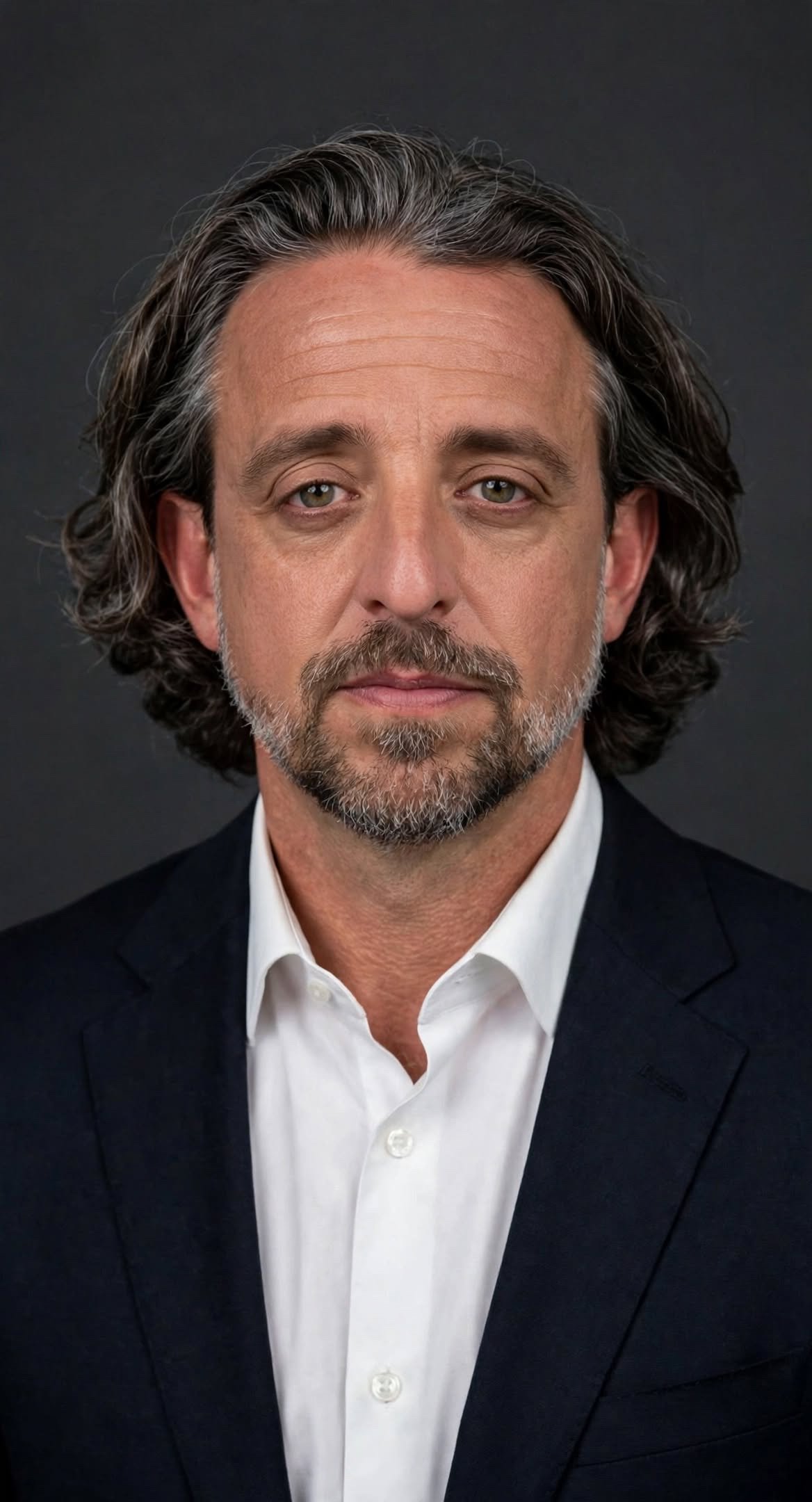
Two Taps and Friends is a long-form podcast and YouTube show hosted by defense and litigation attorney Daniel Rosenberg, who sits down each week with fellow lawyers and guests to talk through trials, true crime, politics and whatever comes up.
The show's own site has one instruction for newcomers. Grab a drink and start with the archive. It is good advice, because nothing here is a tidy ten-minute recap. The 26 episodes released between May and October of this year average about 49 minutes, and the longest runs past the hour. Every one of them is free to watch on the show's YouTube channel.
Rosenberg started the show in 2025 and hosts every episode, according to the show's site. Guests and longtime friends call him Danny. The site sums up the idea in five words.
Everyday people talking everyday issues.
Who Sits at the Table?
The core of the show is the Legal Panel, a recurring segment in which Rosenberg and two working defense attorneys take a case from the news and explain how it looks from the defense side of the courtroom. Michael Dye, whom the show describes as Rosenberg's trial partner, is its most frequent voice. Lloyd Golburgh, an attorney with more than three decades of experience, joins for the major cases and leads many of the conversations about Israel and the Middle East.
The chemistry is the draw. Dye brings what the show calls courtroom war stories. Golburgh brings three decades of practice. Rosenberg keeps the conversation moving, and the arguments are part of the point.
"Michael, Lloyd and I spend our working days at the defense table. On the show we get to walk people through a case the way we would actually argue it, out loud and without the press release," Rosenberg said.
Off the mic, Rosenberg runs The Law Offices of Daniel Rosenberg P.A. in Fort Lauderdale, Florida, defending clients in Broward County and federal courts. His firm handles criminal cases from DUI, drug and weapons charges to assault, theft and homicide, along with white collar and federal criminal defense. He has been a member of the Florida Bar since 2006, according to his firm. Before opening his own practice he worked at a law firm and then at the Broward County Public Defender's Office.
His path to the courtroom started at Coastal Carolina University. He finished his undergraduate studies at the University of South Florida, then earned his law degree at St. Thomas University School of Law in Fort Lauderdale, where his firm says he graduated with honors, 18th in a class of 300.
Why True Crime Keeps Them Talking
By Suite 646's count of the show's episode pages, the 26 episodes from No. 69 to No. 94, released May 6 to October 21, lean hard toward the courtroom. Nineteen carry the Legal Panel label and 13 are filed under true crime and trials. Seven are open conversations. Dye appears in 18 of them and Golburgh in 13. Together they add up to about 21 hours, a little more than one long episode a week.
The cases are the ones people argue about at dinner. The panel has taken on the Lindsay Clancy trial, which ended in an 11 to 1 hung jury after what the show reports were 40 hours of deliberation. It has covered the Luigi Mangione case, the murder verdict against Duane Davis, known as Keefe D, in the killing of Tupac Shakur, and the Alex Murdaugh appeal. The method rarely changes. Explain what the law allows, then argue about it.
That appetite is easy to recognize in this city. New York is filling seats for courtroom drama this fall, from the Broadway revival of A Few Good Men at Lincoln Center to post-show talks led by Anderson Cooper at the Barrymore. Two Taps runs on the same instinct. People want the case, and then they want to hear smart people fight about it.
"Most people only ever see a case through the press conference. We try to show them what the defense table sees," Rosenberg said.
Where Does New York Come In?
New York is in the host's own story. His firm says his childhood took him to places from New York to Israel, and the city keeps turning up on the show.
The show's clearest New York hour is episode 87, The Truth About Zohran Mamdani, released September 9. Rosenberg, Dye and Golburgh walk through the city's politics, its housing promises and Mamdani's platform, then turn to a debate over international warrants and what separates the ICC from the ICJ. The hour closes on what comes next for the city.
The rapper Kosha Dillz brought a different New York to episode 71 in May. Born Rami Matan Even-Esh, he has been releasing records since 2005 and has worked with Mos Def and Matisyahu, according to the show's write-up. With Rosenberg he talks about the music business, the hostility he has met on college campuses and the gap he sees between the New York on the ground and the one in the media.
The Guests Between the Cases
The other hours are looser. Fred Haddad, a South Florida defense attorney with roughly 50 years of trial work behind him, came on in May to talk about picking juries, cross-examination and the trial as a kind of performance. His advice to young lawyers, as the show tells it, is to keep your word. The historian Ramon Rico traced the Middle East's wars back thousands of years. Rabbi Uriel Romano talked about how antisemitism changes shape. Olivia R., a fan favorite with three appearances, has rated the year's movies with Rosenberg, pitted Gen X horror against Gen Z horror and gone inside the mind of a serial killer.
Some hours travel. For episode 91, released October 7, three years after the attacks, Rosenberg and Golburgh shared their own footage from a trip to the Israeli communities along the Gaza border. Guided by residents, they walked through Netiv HaAsara, Sderot, the Nova festival memorial site and the car graveyard, and talked about the towns rebuilding since.
The audience gets a seat too. Many episode pages end with a question for the comments, and the panel's prompts are not softballs. After the Clancy hung jury, viewers were asked what they made of the 11 to 1 split. After the Ilhan Omar episode, they were asked whether the Supreme Court should revive Donald Trump's lawsuit against Hillary Clinton or let the court sanctions stand.
New full episodes usually land on Wednesdays, with clips and Shorts through the week. Every episode is free on YouTube and on Apple Podcasts, Spotify, Amazon Music and iHeartRadio. The show is careful to say none of it is legal advice. It is a table of lawyers and friends thinking out loud. And the story behind the name, the site promises, comes up early in the run.
This feature was prepared in cooperation with Two Taps & Friends.
Sources
- twotapsandfriends.com
- twotapsandfriends.com
- twotapsandfriends.com
- twotapsandfriends.com
- twotapsandfriends.com
- twotapsandfriends.com
- twotapsandfriends.com
- twotapsandfriends.com
- twotapsandfriends.com
- twotapsandfriends.com
- twotapsandfriends.com
- podcasts.apple.com
- drosenberglaw.com
- drosenberglaw.com
- youtube.com
- youtube.com
- youtube.com
- youtube.com