The Pulse, Critics Hail Reich's Music for 18 Musicians at the Armory
Three ensembles play the 1976 landmark three times in a row on Park Avenue, and the run's last three performances are tonight, Saturday and Sunday afternoon
The Drill Hall at the Park Avenue Armory was built for soldiers. This week it belongs to a pulse.
Music for 18 Musicians: Staged Variations opened Wednesday, October 14, and the reviews are now in. When we previewed the run two weeks ago, it was a promise. Steve Reich's best-known score turns 50 this year, and the composer turned 90 on October 3. Now it is an event, and there are three chances left to sit inside it.
The idea, conceived by the conductor Alan Pierson, is simple to say and hard to do. The whole piece is played three times in a row, in three continuous cycles over about three and a half hours. Each cycle has its own players and its own staging.
Three Cycles, Three Rooms
The first cycle belongs to members of the original Steve Reich Ensemble, who are reuniting for the first time in more than a decade, according to the Armory's June announcement as reported by BroadwayWorld. The second goes to students from the Manhattan School of Music. The third belongs to Alarm Will Sound, Pierson's own ensemble.
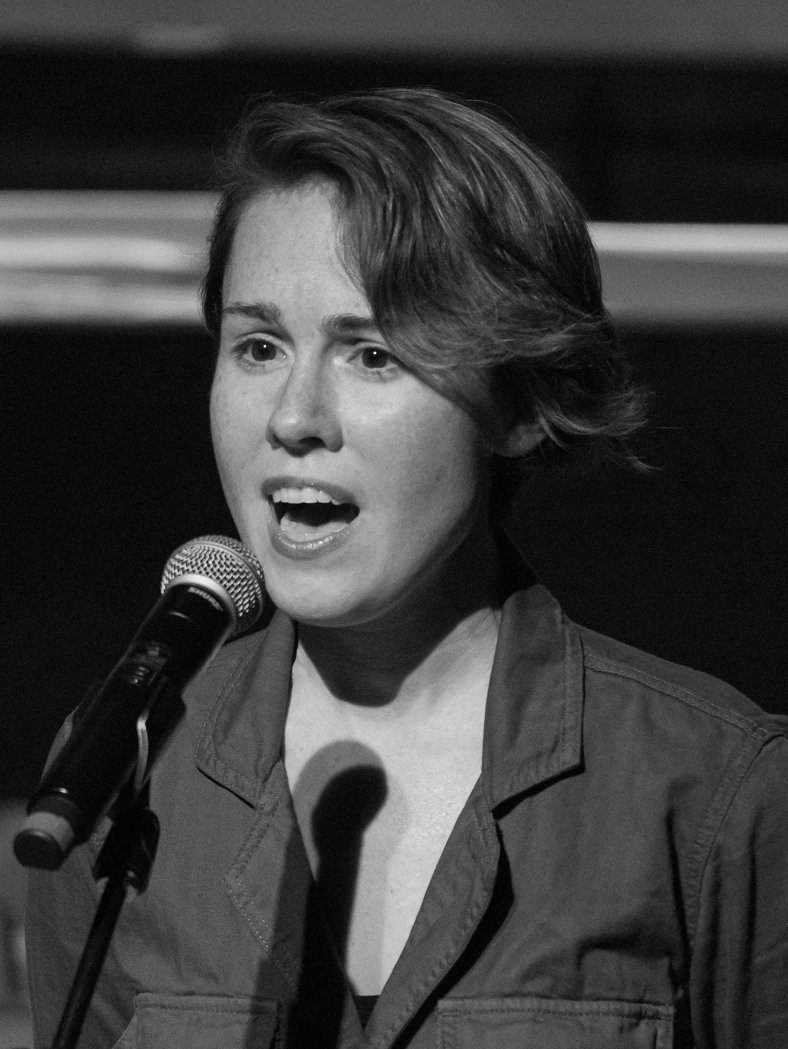
Between the first two, the composer and violinist Caroline Shaw performs a newly commissioned piece for voice and viola. The pianist and composer Timo Andres is also a guest.
"No music has touched and affected me as deeply as Music for 18 Musicians." Alan Pierson, at the Armory's announcement
What the Critics Heard
George Grella of New York Classical Review was there on opening night and called it an incredible, once-in-a-lifetime experience. He credits John Heginbotham's direction, Urs Schönebaum's lighting and a sound design by Mark Grey that balances the acoustic and the amplified.
Grella describes the first cycle as the classic version. The veterans sit in the middle of the in-the-round space while the audience surrounds them. He points out that two of the original players, Bob Becker and Russell Hartenberger, are still in the group. The reading is crisp and mostly still.
The second cycle loosens up. The student ensemble, Tactus, comes in wearing street clothes and keeps moving. The percussionist Jonathan Collazo plays the whole maracas part, Grella writes, and spends half of it jogging inside the circle.
The pianist and writer Ethan Iverson, reviewing the same night on his Substack, called it a once in a lifetime event and wrote that he enjoyed the piece more with every performance. He also noted that Collazo ran in a circle while he played, and called it quite an athletic feat. Iverson is honest about his loyalties. His favorite Reich, by a fair margin, is still Tehillim.
The Last Hour
The third cycle is where the room shifts. Grella writes that Alarm Will Sound plays faster and harder on the same instruments, while the lighting singles out individual players and small groups. Around Section X, the players in the breath group climb into the audience tiers and surround the listeners.
Shaw's interlude is its own small spell. Grella says she builds it from looped voice and viola while performers drape her in shawls. Iverson names the piece Viaduct.
Grella also explains why the score survives so many stagings. Two marimba players hold the steady eighth-note pulse, one on the beat and one off it, and the vibraphone cues each change of section. Everything else is built on that grid.
Iverson adds context. The piece borrows from African tradition, and he notes that Reich had to play marimba himself to show how it was done. He calls the result reasonably hard-core minimalism.
That is the pleasure and the dare. Nothing resolves quickly. You wait, and the shimmer slowly moves.
What to Know Before You Go
The run ends Sunday. The remaining performances are at 7 p.m. tonight, Friday, at 7 p.m. Saturday and at 3 p.m. Sunday. Tickets start at $55 and are sold through the Armory at armoryonpark.org.
Plan for the length. Three and a half hours is a real evening. For another week of long, immersive listening, see our look at Unsound New York at Lincoln Center.
At the end the players stop, and the Drill Hall goes quiet. The pulse has nowhere left to go but home.