The Year of the Dance Floor, New York 1976 at the New York Historical
A Studio 54 mirror, a Ramones guitar and a disco ball from 1520 Sedgwick Avenue fill a Central Park West show about the city that went broke and kept dancing
The city was broke. Crime was rising. The Daily News told the world that the president had turned his back on New York. And up in the Bronx, a young DJ with two turntables had already started to change what a party sounds like.
That contradiction is the whole subject of You Should Be Dancing: New York, 1976 and Beyond, the fall show at the New York Historical on Central Park West. It opened on October 2 and runs through April 4, 2027. The museum's announcement, published by I Love NY, lays out a show built around three sounds that grew up in the same rough decade. Punk, disco and hip hop all get rooms of their own.
The historian Ted Widmer curated it. Louise Mirrer, the museum's president and chief executive, frames the decade in a single line.
New York City in the 1970s was an era of contradictions as economic conditions worsened while creativity soared.
A City on the Edge
The first section sets the scene with 1976 itself, the Bicentennial year. There are the tall ships of the Grand Parade of Sailing Ships in New York Harbor. There is the Democratic National Convention at Madison Square Garden, with Jimmy Carter's own reading copy of his convention speech on view. And there is the famous Daily News front page, "Ford to City: Drop Dead," from the fiscal crisis that nearly sank the city.
The museum also shows a formal bankruptcy petition that was drawn up for the State Supreme Court and then withdrawn. It is a document of a near miss, and it hangs a few steps from photographs of an X-rated Times Square.
Pop culture fills in the rest. Robert De Niro's taxi license and flannel shirt from Taxi Driver are here. So are publicity stills of the Saturday Night Live cast, a Welcome Back, Kotter lunchbox and clips from Shaft, All in the Family and The Jeffersons. The galleries are staged to feel like the clubs of the era, with instruments, clothes, photographs and flyers doing the talking.
Three Rooms, Three Sounds
Punk gets a re-creation of the CBGB stage, with footage of famous performers projected across its walls. There is a Fender signed by Dee Dee Ramone, on loan from the Hard Rock Cafe, and a nod to the band's roots in Forest Hills, Queens. Patti Smith is represented by a dress shirt she once wore and a backstage pass to one of her shows. The original cover art for the first issue of Punk Magazine is on view, along with Richard Hell's handwritten lyrics to "The Blank Generation." There is footage of the Ramones at Max's Kansas City and of Talking Heads, and the Velvet Underground and the New York Dolls play through the room.
Disco gets the glamour. Platform shoes, a mirror from Studio 54 and an invitation to the club's opening night share space with James McMullan's watercolors for the New York magazine story that inspired Saturday Night Fever, along with the film's original screenplay. The show makes a point that is easy to forget. Disco was not only Midtown. Clubs opened in all five boroughs, and Steve Rubell and Ian Schrager first tested light, sound and dance floor ideas at the Enchanted Garden in Queens before Studio 54 opened in 1977. The museum also traces the Hustle, the 1975 dance, back to the Puerto Rican community in the Bronx.
Disco was not only Midtown.
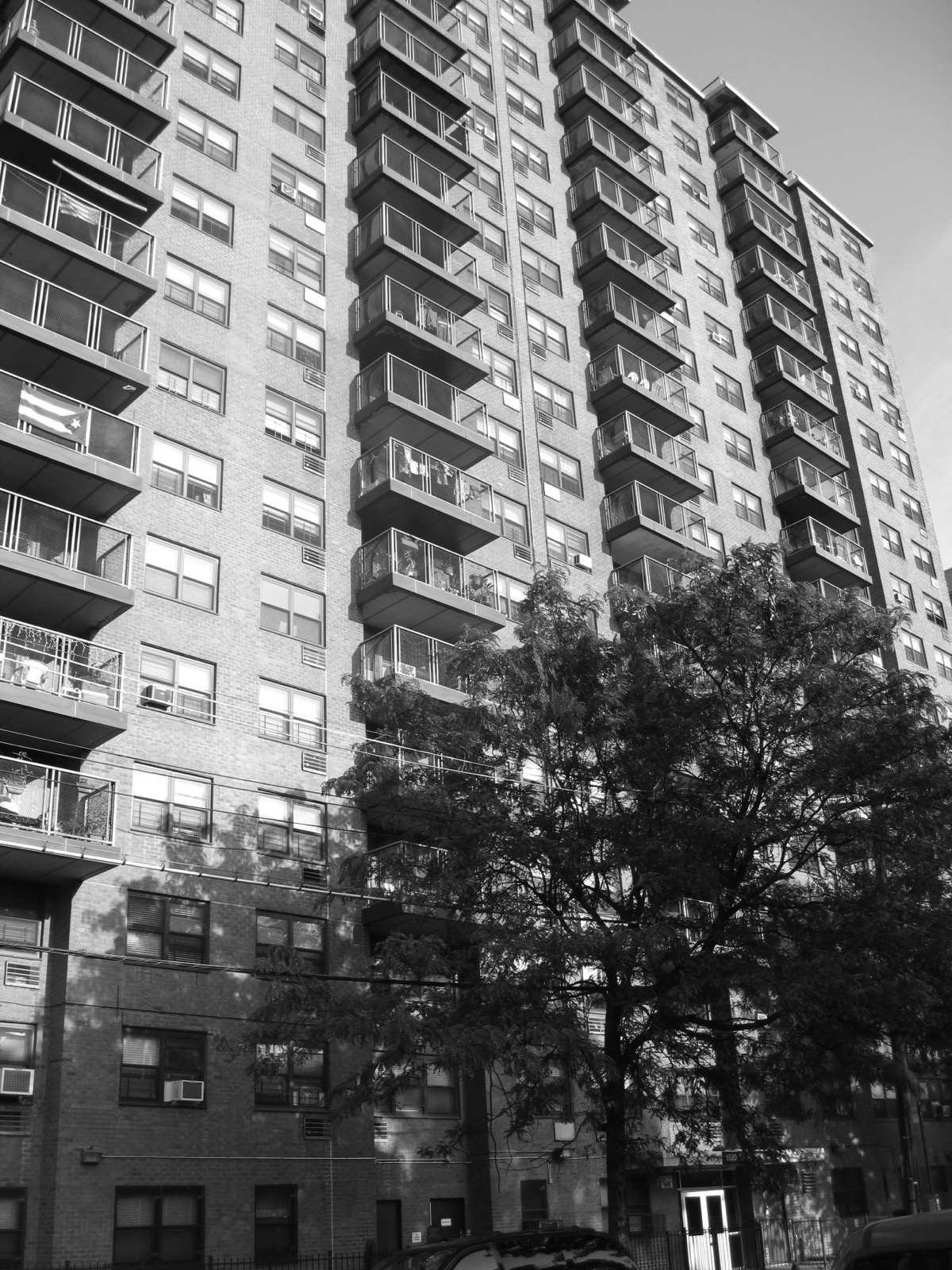
Hip hop gets the origin story. The museum shows what it calls the earliest known hip hop party flyer, made by DJ Kool Herc, who worked out the Merry-Go-Round technique of playing two turntables. There is a disco ball from 1520 Sedgwick Avenue, the Bronx apartment building where Herc lived and threw his first parties. There are boomboxes, early hip hop fashion, Kurtis Blow's handwritten lyrics to "The Breaks" and the bass guitar heard on "Rapper's Delight," lent by the Rock and Roll Hall of Fame. Visitors can try mixing a track on a turntable themselves. A final section looks at how the sounds of that decade still echo through the music that came after.
Before You Go
The New York Historical is at 170 Central Park West, at West 77th Street. Check the museum's listing and nyhistory.org for hours and tickets before you go. The museum is also running October story times, a Halloween family party and private group tours during the run, with more programs to come.
For a more recent chapter of the same story, read our report on the CBGB festival that the rain washed out in Brooklyn. Then walk out onto Central Park West after dark and listen. The city still sounds like 1976 if you know where to stand.