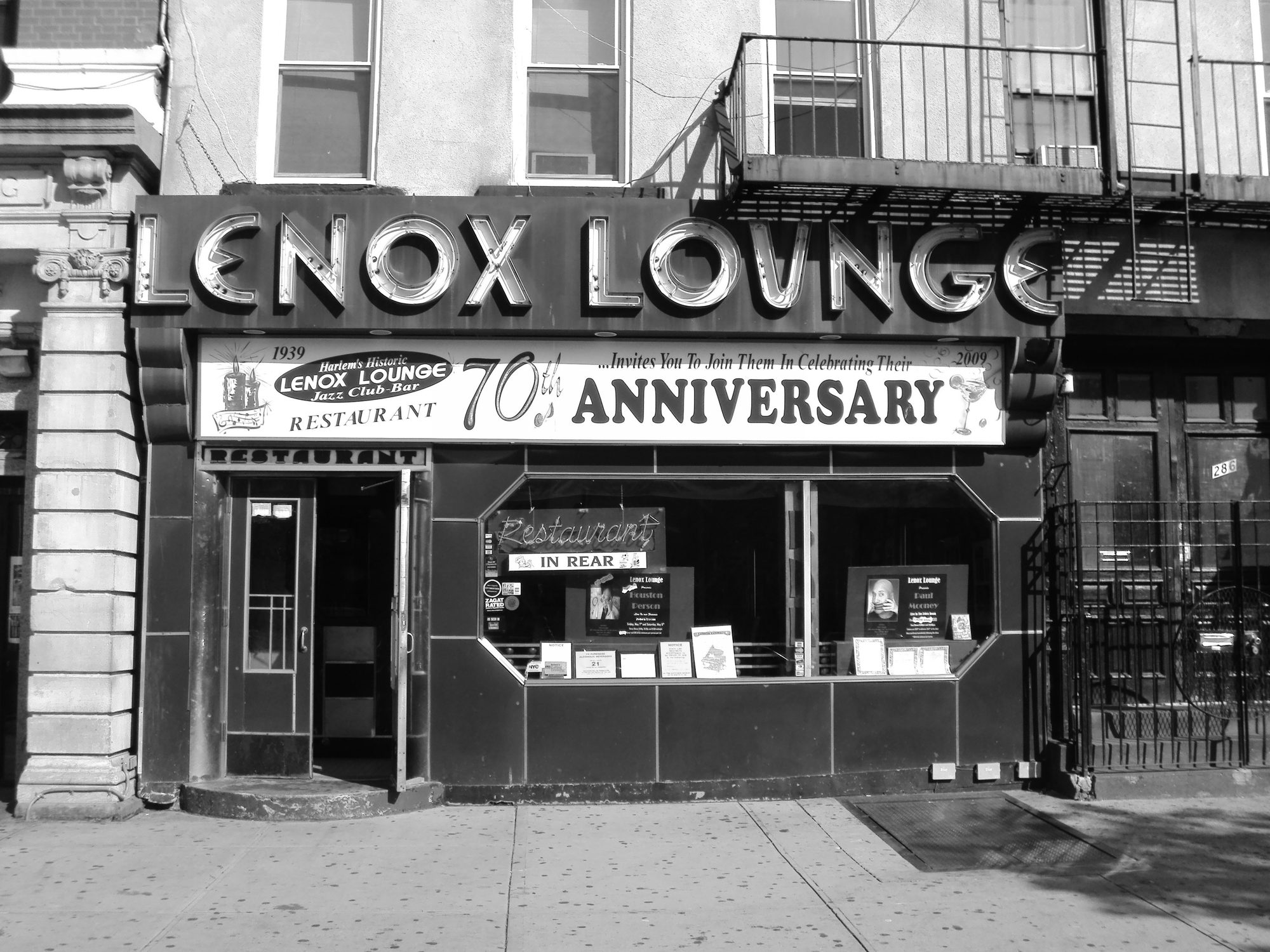
A Darkroom in Harlem, Community Printing Nights for Film Photographers
Community printing nights for film photographers

The studio smells like turpentine and cold coffee. Canvases lean against every wall, most of them turned to face the brick, as if the work is not quite ready to be looked at.
The market is a strange presence in all of this. Prices have climbed, auction houses have started calling, and a few pieces have changed hands for sums the artist finds embarrassing. None of it, they insist, changes what happens in the studio.
By the end of the night, the city starts to feel smaller. The same faces appear in different doorways. Someone you met at nine turns up again at two, and by four you are sharing a cab across the bridge. That is the real magic of New York after dark. Eight million people, and somehow you keep running into the ones who matter.
The studio itself has become part of the work. Stains on the floor, notes on the walls, a broken chair that has been sat in for fifteen years. Visitors are rarely allowed in, and those who are describe it as entering someone else's mind.
Photography holds a special place in this world. Film has made a serious comeback among younger artists, who talk about grain and chemistry and the discipline of having only thirty-six exposures with an almost religious intensity.
What Remains
Galleries have learned to adapt. Some open only by appointment. Others host late viewings lit entirely by candles. A few have abandoned walls altogether and show work in hotel rooms, basements, and empty storefronts for a single night.
Money moves differently after dark too. Nobody pulls out a card at the places that matter. Tabs are kept in someone's head. Debts are settled with introductions, with a good word to the right person, with a table held open on a busy Saturday. It is an economy that runs on memory, and it has outlasted every recession the city has thrown at it.
The city keeps showing up in the work. Fire escapes, water towers, the grid of lit windows at midnight. Even the most abstract pieces carry the rhythm of the street, the sense of a place that never fully stops moving.
The studio is the only place I am completely honest.
What remains, after all the talk about process and price, is the feeling of having seen something private. That, several collectors told us, is what they are actually paying for.
There is a particular kind of loyalty that forms between people who share the same hours. The cook who clocks out at two and the bartender who closes at four and the driver who takes them both home know each other the way neighbors used to. They trade recommendations, cover for each other, and show up at each other's birthdays in rooms that stay open long past legal closing time.
Materials
Materials matter enormously. Charcoal made from a specific vine. Paper from a mill that closed in the 1990s. Paint mixed by hand from pigments sourced across three continents. The obsession is not about luxury. It is about control over every inch of the surface.
Light is the recurring subject, or rather its absence. The best work here is built around shadow, around what the eye cannot quite resolve. Viewers find themselves stepping closer and closer, and the piece rewards them for it.
Social media was supposed to ruin all of this. For a while it did, as crowds chased whatever location had been tagged the night before. But the places that lasted learned to protect themselves. Some ban phones outright. Others simply make the lighting so low that no photograph survives. The result is a return to something older, a scene you have to experience in person or not at all.
If it does not scare me a little, I do not finish it.
The Studio
Critics have struggled to categorize it, which the artist considers a compliment. The work sits somewhere between documentary and dream, between the city as it is and the city as it feels at three in the morning when you are walking home alone.
The weather shapes everything. In August the whole city seems to slow down, and the rooftops fill with people chasing a breeze. In January the rooms get smaller and warmer, conversations lean in, and a coat check becomes the most important person in the building. Every season has its own version of a perfect night, and New Yorkers argue about which one is best.
The process is slow on purpose. A single piece can take a year, and many are destroyed before anyone else ever sees them. The artist describes it less as creation than as excavation, removing everything that does not belong until only the true thing is left.
The exhibition closes in a few weeks. The pieces will scatter into private collections across the world. But for now they hang together, in the dark, in New York.