A Hush on Seventh Avenue, Cameron Winter at Carnegie Hall on Film
Paul Thomas Anderson turns one December night with the Geese frontman and a grand piano into a concert film for the ages
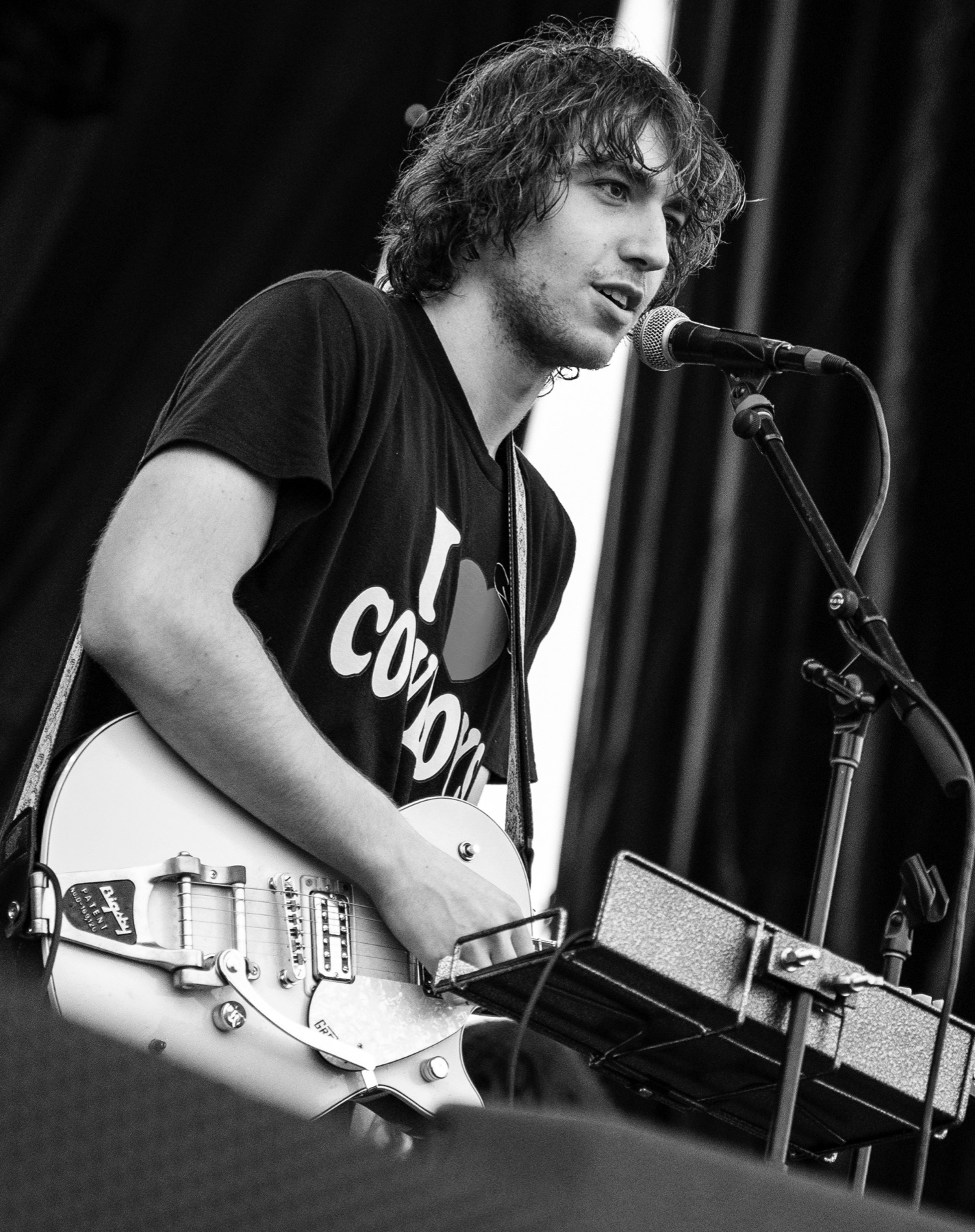
A tall young man in black walks onto the bare stage of Carnegie Hall, gives something between a bow and a stoop, and sits down at a Steinway with his back mostly to the room. Phones stay in pockets. For the next hour and change, nobody misses them.
That was December 11, 2025, the night Cameron Winter, the frontman of the Brooklyn band Geese, played a sold-out solo show in the Isaac Stern Auditorium. It was the kind of evening people talk about for years. Now they will not have to. Paul Thomas Anderson was in the room with a film camera, and the result, Cameron Winter at Carnegie Hall, had its world premiere this week at the New York Film Festival.
The film screened on October 1 at Alice Tully Hall, projected on 35mm. By the next morning the reviews had arrived, and they read like the reaction to the concert itself. Rapturous. Spellbinding. An immediate classic.
One Piano, Five Cameras
Anderson shot the night on 35mm and 16mm film. He was not hiding in a control booth. According to the Guardian's review, he was one of five camera operators working that evening. Fans in the hall spotted him with a camera during the show. Benny Safdie, the filmmaker and actor, worked alongside him and is credited as a co-producer. Sara Murphy, Erica Frauman, and Maggie Ambrose produced.
The sound came from Ariel Rechtshaid, the Grammy winning producer known for his work with Vampire Weekend and Adele. He recorded and mixed the performance for the film and for a live album of the same show, Live at Carnegie Hall, which Partisan Records and Play It Again Sam release on October 9.
Anderson spoke about the shoot with his usual dry humor. He told Vulture he made the film for the money, and that he had been promised it would only come out in Japan. He also said Carnegie Hall kept strict rules on the crew, and that working inside those limits gave the film a disciplined shape.
It shows. The movie runs a little over an hour and does almost nothing but watch. There are no interviews. There is no voiceover and no backstage drama. A brief opening of street scenes and ticket scans, and then the music. The Guardian counted twelve songs and admitted to wanting to applaud after each one.
The movie runs a little over an hour and does almost nothing but watch.
A Voice From Another Century
Winter is a strange and specific kind of star. His 2024 solo album, Heavy Metal, showed a quieter, more meditative side than his band, and most of the Carnegie set was built from piano versions of its songs. The singing is the event. He works a low baritone with a wide, trembling vibrato, and critics keep reaching for older names to describe it. Variety's Owen Gleiberman heard Tom Waits without the gravel, early Springsteen, Leonard Cohen's first album, and above all Bob Dylan. Vulture noted that the concert drew comparisons to Dylan's own Carnegie Hall performance in 1963.
The set opens with It All Fell in the River and moves through If You Turn Back Now and $0. It ends on Take It With You, a breakup song sung like a hymn. In between comes the high point of the night, a plain declaration that god is real. In the hall, the lights came up on that lyric so the audience could see each other's faces. The Guardian's critic, who was in the rafters that night, wrote that the moment did not fully survive the move to the screen. Almost everything else did.
The look of the film matters as much as the sound. Variety described an orange glow over the whole picture, as if Carnegie were lit by candles. The Guardian noticed that even the scaffolding outside the hall looks dignified on film. Anderson frames the piano from every side, pulls tight on Winter's face, and turns the camera back on four tiers of balconies full of people sitting perfectly still.
Winter barely speaks. At one point he stands, stretches, and wrestles with a stage door as if trying to escape his own show. His only real words to the crowd come after the encore. Thank you for coming, everybody.
The Long Applause
The photographer Lewis Evans, who was there that day, told Vulture he still thinks about the ovation. It went on so long that it turned into a kind of comedy, he said, a standoff over who would stop first. It felt like ten minutes. It was probably two.
That sense of a room holding its breath is what the New York Film Festival bet on when it added the film to its lineup in August. Dennis Lim, the festival's artistic director, called it a concert movie for the ages. It joins a festival that opened on September 25 and has spent the past week reminding the city why it still goes out to the movies, as we wrote on opening night.
For Anderson, it is a second music film, after Junun, his 2015 portrait of Jonny Greenwood recording in India. It also arrives in the same year his One Battle After Another won Best Picture and Best Director. For Winter, it lands in the middle of a run that, in Vulture's telling, has made Geese the most discussed rock band to come out of the five boroughs this decade. The band's 2025 album, Getting Killed, topped NME's list of the year's best records.
Janus Films and Criterion will release the film in North America, with theaters opening November 20. Mubi holds the rights everywhere else and plans to stream it in 2027 after a UK premiere at the London Film Festival.
Until then there is the record, out next Friday, and the memory of a December night on Seventh Avenue. A young man, a piano, and a full house that agreed to be quiet together.