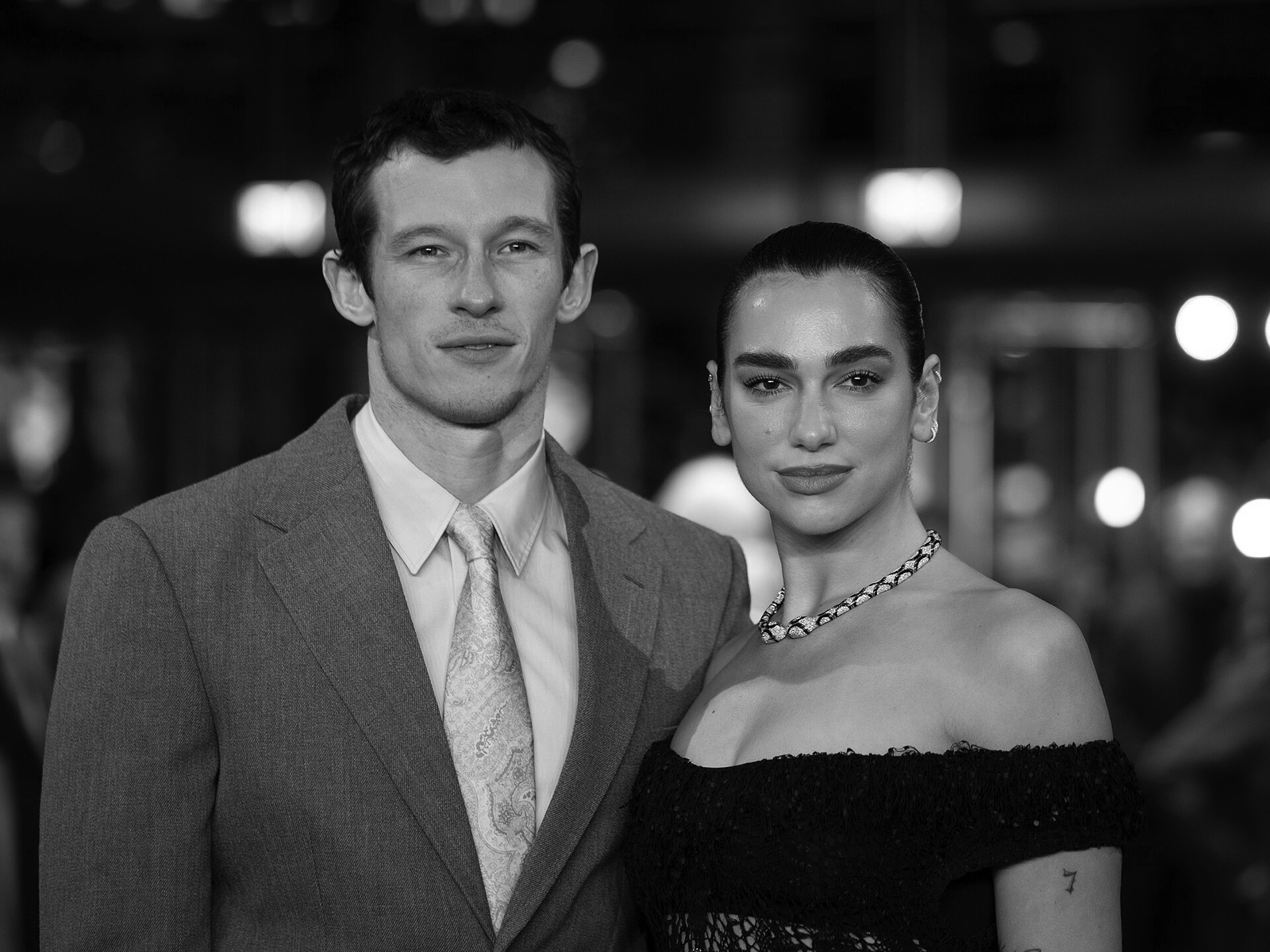
Collars Up, the Small Gesture That Changes a Whole Outfit
The small gesture that changes an entire outfit

There is a workshop three flights up from a quiet block in the Garment District where the radio plays jazz, the steam press hisses every few minutes, and the clients arrive by appointment only, usually after the sun has gone down.
Vintage has become its own economy. The best pieces never reach the racks. They are pulled by dealers who know which estate sales to visit and which dry cleaners hold unclaimed coats for years. Finding them requires relationships, patience, and a willingness to be up very early after being out very late.
By the end of the night, the city starts to feel smaller. The same faces appear in different doorways. Someone you met at nine turns up again at two, and by four you are sharing a cab across the bridge. That is the real magic of New York after dark. Eight million people, and somehow you keep running into the ones who matter.
Fit is still the thing most people get wrong. A thousand-dollar suit worn loose looks cheaper than a two-hundred-dollar one that has been properly altered. Every stylist we spoke to recommended finding a tailor before finding a brand, and trusting them more than any label.
The influence of the night shift on fashion is easy to underestimate. Bartenders, doormen, DJs, and chefs have been quietly setting trends for decades, dressing for long hours, low light, and the need to look sharp at four in the morning. What they wear today tends to show up on runways about three years later.
The Rules of Restraint
There is also the question of the coat, which in New York is less an accessory than a second home. It carries keys and receipts and the occasional love letter. It is the first thing people see and the last thing they remember. Choose it the way you would choose a neighborhood.
There is a particular kind of loyalty that forms between people who share the same hours. The cook who clocks out at two and the bartender who closes at four and the driver who takes them both home know each other the way neighbors used to. They trade recommendations, cover for each other, and show up at each other's birthdays in rooms that stay open long past legal closing time.
Shoes deserve their own conversation. The city is hard on them, from the subway stairs to the cobblestones of SoHo, and the best dressed New Yorkers treat resoling as a ritual rather than a chore. A good pair, cared for properly, can last twenty years and look better every one of them.
A good coat is a promise you make to yourself every winter.
The goal, in the end, is not to be noticed. It is to be remembered. Those are different things, and the people who understand the difference tend to be the ones everyone else quietly copies.
What ties it all together is a kind of shared discretion. People here have seen a lot and repeated very little. The unspoken agreement is simple. What happens in the room stays in the room, and the room stays open as long as everyone keeps that promise. It is the oldest rule in the city, and it is still enforced.
What the Doorman Sees
Ask anyone who works a door downtown and they will say it plainly. The people who get in are rarely the loudest in line. They are the ones who look like they already belong, and that look almost always starts with something simple and very well made.
Color has not disappeared entirely. It shows up in small doses, a deep oxblood scarf, a navy so dark it reads as black until the light hits it, a silver ring worn on the wrong finger on purpose. The rule is restraint. One note, played well.
Much of this world was supposed to disappear. Rents climbed, the old bars sold their liquor licenses to chains, and every few years someone writes the obituary for downtown. But the night has a way of relocating rather than dying. It moves a few blocks east, crosses a bridge, finds a basement nobody else wanted, and starts again.
Buy it once, wear it forever, and let it tell your story.
Fabric First
Fabric matters more than logos. The pieces worth owning are heavy, matte, and made to soften over years into something personal. The tailors we spoke to all said the same thing. Buy less, buy better, and wear it until it tells your story.
Money moves differently after dark too. Nobody pulls out a card at the places that matter. Tabs are kept in someone's head. Debts are settled with introductions, with a good word to the right person, with a table held open on a busy Saturday. It is an economy that runs on memory, and it has outlasted every recession the city has thrown at it.
The craftsmen behind these clothes are getting younger. For years the old shops struggled to find apprentices willing to spend a decade learning to cut a pattern by hand. Now there are waiting lists. A new generation has discovered that the slowest way to make clothes is also the most satisfying.
It is a quiet kind of luxury, one that does not photograph well and does not need to. The people who know, know. Everyone else will catch up eventually.