Flowers on Every Wall, Mika Ninagawa Fills a Brooklyn Museum Room
The Tokyo photographer's first immersive installation in the United States covers the Education Gallery in saturated blooms you are allowed to touch, through April 30
Most museums keep a guard between you and the pictures. On Eastern Parkway this season, the pictures are the room, and you are invited to put your hands on them.
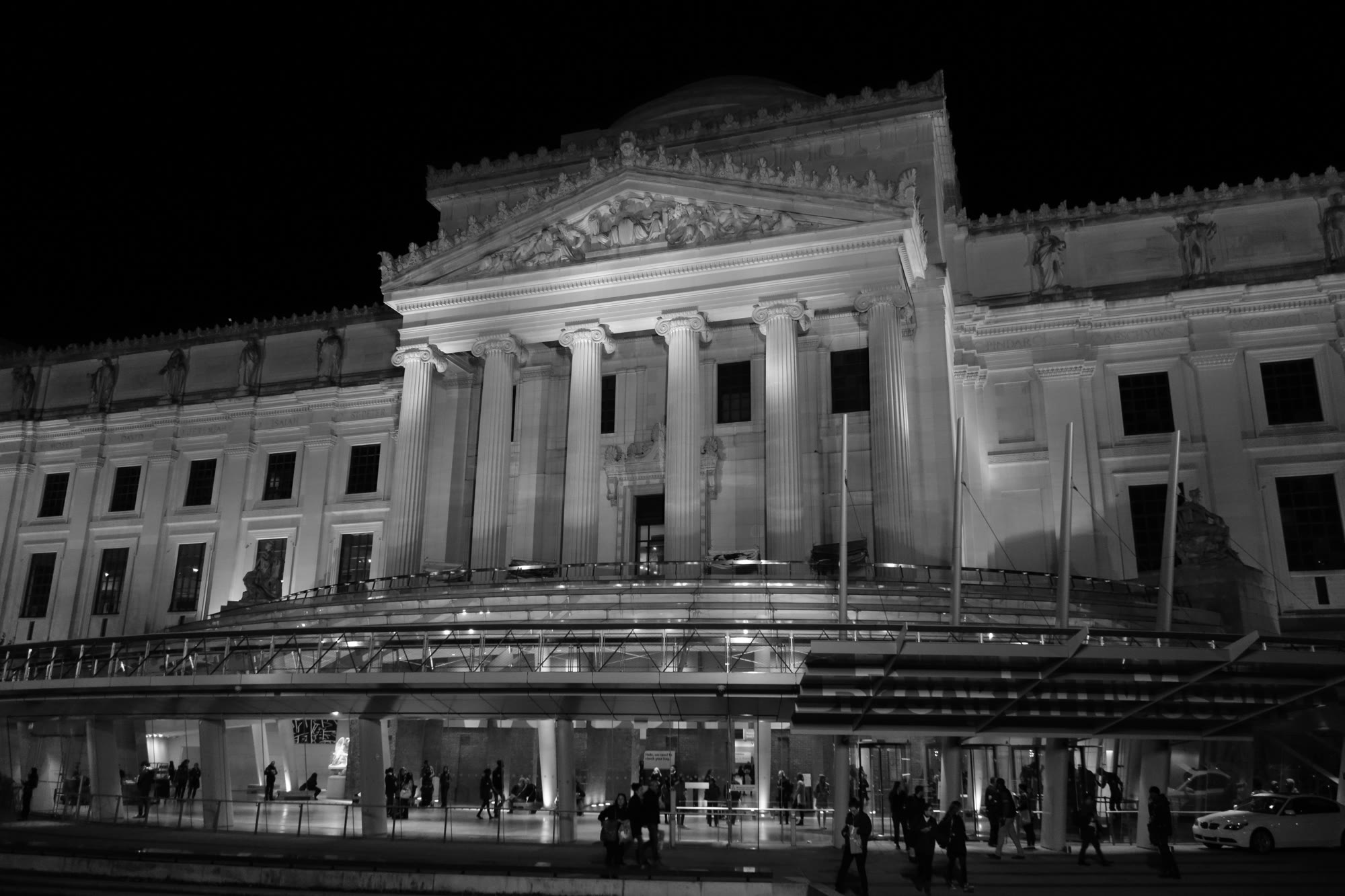
Mika Ninagawa: Feel the Flow(ers) opened at the Brooklyn Museum on October 2 and runs through April 30, 2027. It fills the museum's Education Gallery and is included in general admission, according to the exhibition listing on ArtRabbit. It is the Japanese photographer's first immersive installation in the United States.
The idea is simple and a little giddy. Images of flowers cover the walls. The color is turned all the way up. Some of the photographic prints are made to be touched, and the room hosts performances and art-making sessions during the run. The listing's own invitation is to wander in and touch, see and feel the flow(ers).
A Photographer Raised on Stagecraft
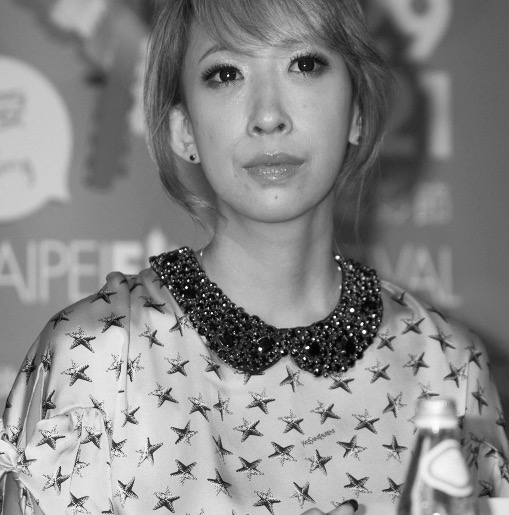
Ninagawa grew up close to the theater. Her father was Yukio Ninagawa, the celebrated stage director, and her mother was an actress, as Phillips noted in a 2018 interview with the artist. That background shows in the work. Her pictures rarely look casual. They look lit, staged and dressed, even when the subject is a single cherry branch.
She came up in the late 1990s as a leading name in Japan's so-called Girly Photo movement, a label given to a wave of young women photographers in Japan. In 2001, at 29, she received the Kimura Ihei Award, Japan's most prestigious prize for photography. She shared it that year with Yurie Nagashima and Hiromix. According to Phillips, it was the first and only time the award went to three photographers at once, all of them young women.
Film came next. Ninagawa moved into directing in 2006 and made the feature Sakuran in 2007, followed by Helter Skelter in 2012. In 2014 she was named to the executive board of the organizing committee for the Tokyo 2020 Olympic and Paralympic Games. The flowers never left. She has kept returning to them through every other turn in her career.
For me, photographing sakura is akin to the act of digging out my insides.
That is how she put it to Phillips when asked why she keeps photographing cherry blossoms. She said the habit brings her closer to her inner self. It is not the answer you expect from someone whose pictures look like candy. It is a useful key to the Brooklyn room, though. The color is the surface. The obsession underneath is older and more personal.
A Room Next to the Manga
The installation is meant to sit alongside the museum's big fall show, Art of Manga, which fills the Great Hall with original drawings through January 31. The two shows make a natural pair. One is ink on paper, mostly black and white, built panel by panel. The other is pure saturation, a photographer's color pushed until it feels like a place rather than a picture.
Both also share a name on the credits. Feel the Flow(ers) is organized by Shamilia McBean Tocruray, the museum's director of education, and Pauline Vermare, its Phillip and Edith Leonian Curator of Photography. Vermare also helps oversee the Brooklyn presentation of the manga show. For the full story on that one, see our visit to Art of Manga on its opening weekend.
The location matters too. The Education Gallery is not where a museum usually puts a star. Putting Ninagawa there signals what the room is for. This is a show for touching, for families and for anyone who has ever wanted to step inside a photograph instead of standing at a polite distance from it.
Ninagawa once told Phillips that, as a child, she wanted to become someone who could express something as quickly as possible. A room you understand the moment you walk in is a fair description of what she has built.
Before You Go
The Brooklyn Museum is at 200 Eastern Parkway, next to the Eastern Parkway stop on the 2 and 3 trains. The installation is included with general admission. Hours vary through the week, so check the museum's site before you head out. Leave time for Art of Manga in the Great Hall on the same visit, since the museum pitches the two shows as companions.
Go at the end of the day, when the light outside starts to drop. Then step into a room where it is always the height of bloom.