Heirlooms, Worn Daily, the Watch and Cufflink Dealers of Midtown
The watch and cufflink dealers of 47th Street

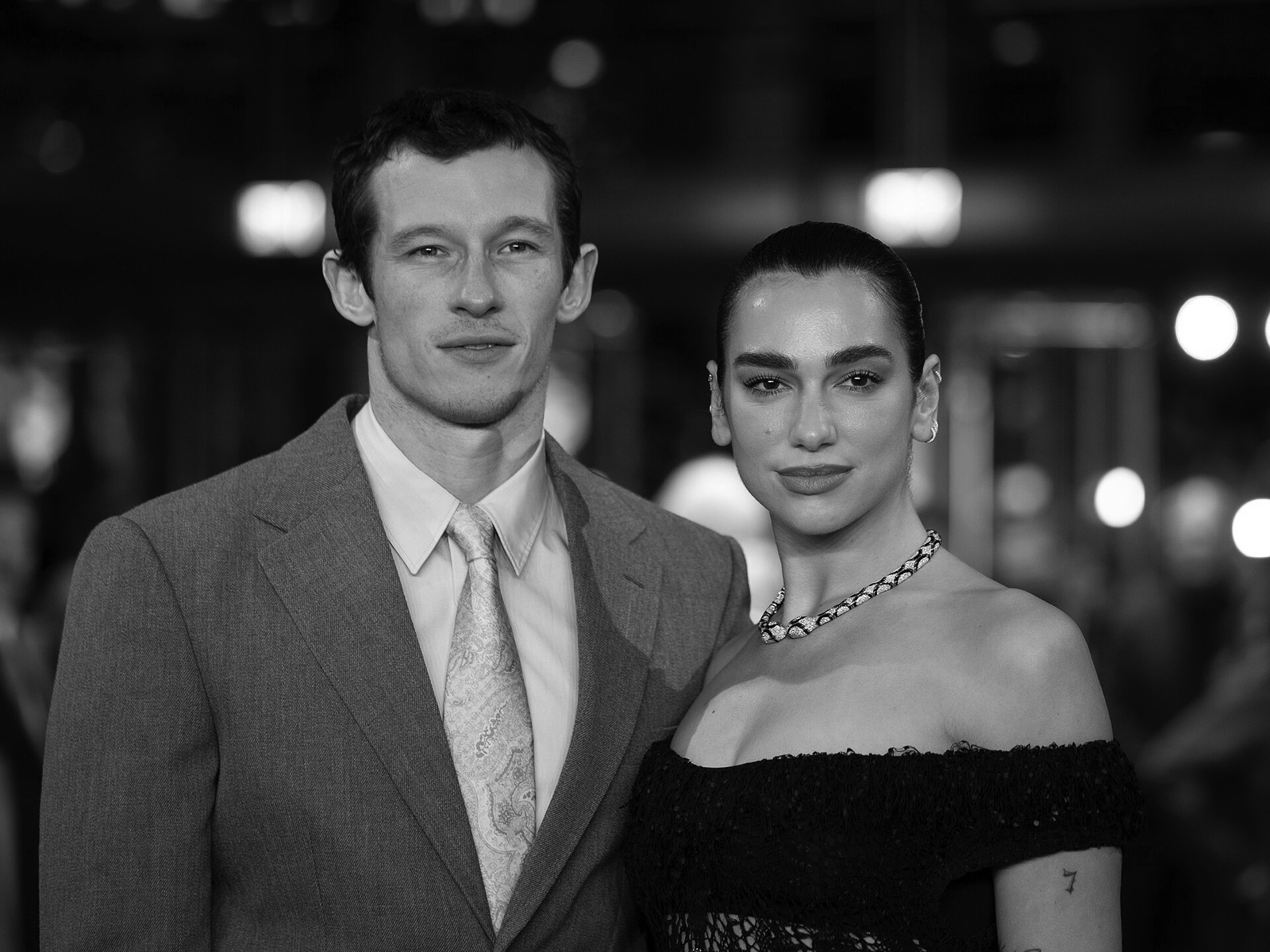
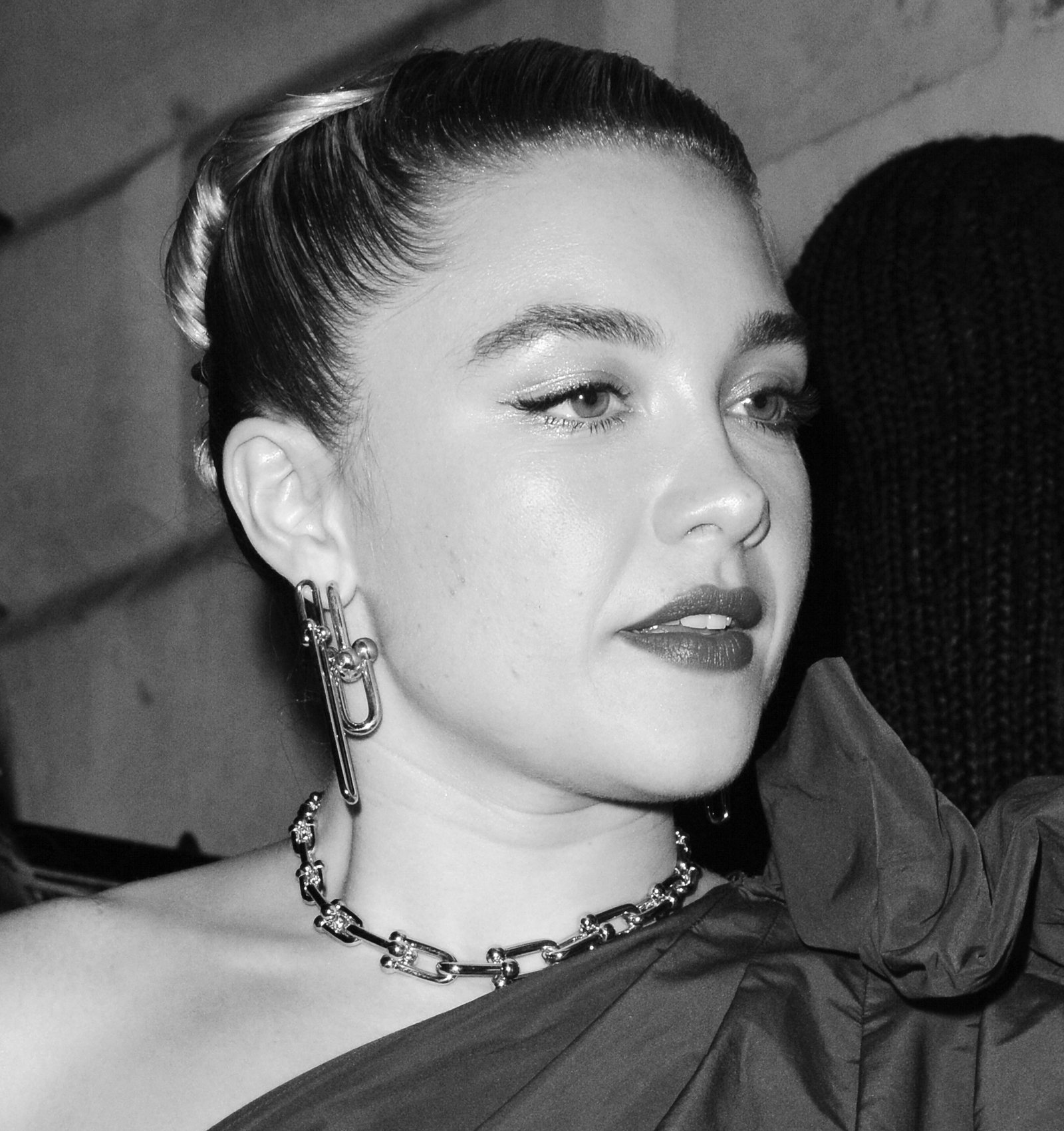
Black is not the absence of a decision. In the right hands it is the most deliberate choice a person can make, and this season the city's best dressed are making it again and again, in wool and silk and leather, from the first coffee to the last call.
The details carry the whole look. A collar that rolls just right. A hem that breaks once over the shoe. A watch that has been worn every day for a decade and shows it. None of these announce themselves, and that is exactly why they work.
By the end of the night, the city starts to feel smaller. The same faces appear in different doorways. Someone you met at nine turns up again at two, and by four you are sharing a cab across the bridge. That is the real magic of New York after dark. Eight million people, and somehow you keep running into the ones who matter.
The goal, in the end, is not to be noticed. It is to be remembered. Those are different things, and the people who understand the difference tend to be the ones everyone else quietly copies.
Fit is still the thing most people get wrong. A thousand-dollar suit worn loose looks cheaper than a two-hundred-dollar one that has been properly altered. Every stylist we spoke to recommended finding a tailor before finding a brand, and trusting them more than any label.
What the Doorman Sees
Color has not disappeared entirely. It shows up in small doses, a deep oxblood scarf, a navy so dark it reads as black until the light hits it, a silver ring worn on the wrong finger on purpose. The rule is restraint. One note, played well.
The weather shapes everything. In August the whole city seems to slow down, and the rooftops fill with people chasing a breeze. In January the rooms get smaller and warmer, conversations lean in, and a coat check becomes the most important person in the building. Every season has its own version of a perfect night, and New Yorkers argue about which one is best.
There is also the question of the coat, which in New York is less an accessory than a second home. It carries keys and receipts and the occasional love letter. It is the first thing people see and the last thing they remember. Choose it the way you would choose a neighborhood.
Buy it once, wear it forever, and let it tell your story.
The influence of the night shift on fashion is easy to underestimate. Bartenders, doormen, DJs, and chefs have been quietly setting trends for decades, dressing for long hours, low light, and the need to look sharp at four in the morning. What they wear today tends to show up on runways about three years later.
The light is what you notice first. Sodium lamps turn the avenues the color of weak tea, and the side streets fall into a deep blue that makes every lit window look like a stage set. Cabs slide past with their roof lights off. A delivery bike hums by, then silence, then the rattle of a steel gate coming down somewhere around the corner.
The Long Game
Ask anyone who works a door downtown and they will say it plainly. The people who get in are rarely the loudest in line. They are the ones who look like they already belong, and that look almost always starts with something simple and very well made.
The silhouette this year is long and narrow through the body, with shoulders that sit naturally and trousers cut with enough room to move. It looks as good under a streetlight as it does in a hotel lobby at three in the morning, and it is built to be worn hard.
Much of this world was supposed to disappear. Rents climbed, the old bars sold their liquor licenses to chains, and every few years someone writes the obituary for downtown. But the night has a way of relocating rather than dying. It moves a few blocks east, crosses a bridge, finds a basement nobody else wanted, and starts again.
Nobody who comes here wants to be noticed. They want to be remembered.
Fabric First
Fabric matters more than logos. The pieces worth owning are heavy, matte, and made to soften over years into something personal. The tailors we spoke to all said the same thing. Buy less, buy better, and wear it until it tells your story.
Ask anyone who has lived here long enough and they will tell you the city rewards patience. The good table opens up at 11:40. The real conversation starts after the second round. The person you came to meet arrives an hour late and makes the whole night worth it. Rushing is for tourists. The locals know how to wait.
Vintage has become its own economy. The best pieces never reach the racks. They are pulled by dealers who know which estate sales to visit and which dry cleaners hold unclaimed coats for years. Finding them requires relationships, patience, and a willingness to be up very early after being out very late.
By the time the last client leaves, the radio is still playing and the chalk lines are still on the table. Tomorrow night the work starts again, one stitch at a time.