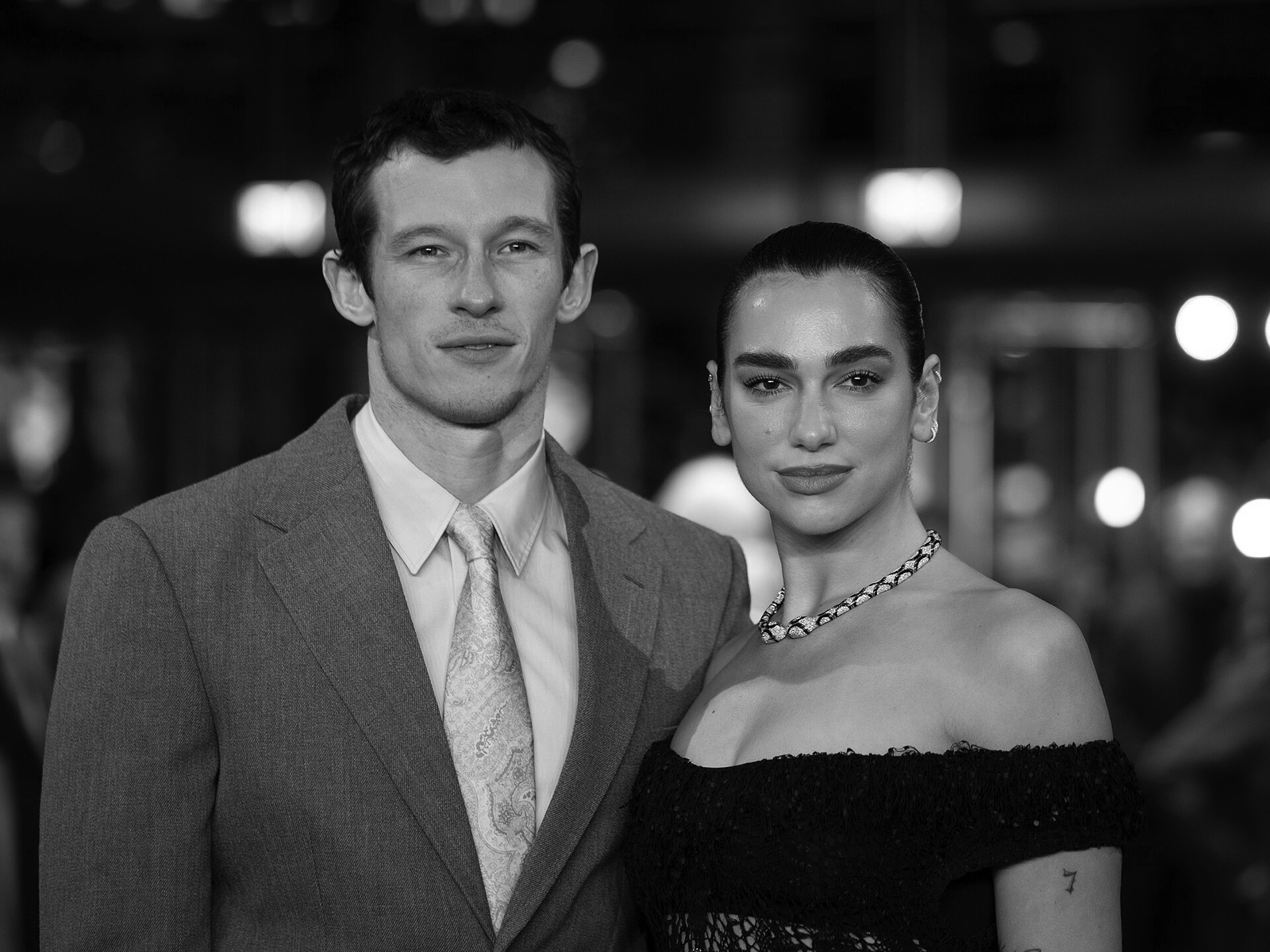
One Suit, Seven Nights, a Week in New York in the Same Black Two-Piece
A week in the city wearing the same black two-piece

On a Tuesday night in late autumn, the most interesting clothes in Manhattan are not in any store window. They are on the backs of people walking home from dinner, collars up against the wind, looking like they stepped out of a photograph nobody has taken yet.
The details carry the whole look. A collar that rolls just right. A hem that breaks once over the shoe. A watch that has been worn every day for a decade and shows it. None of these announce themselves, and that is exactly why they work.
Social media was supposed to ruin all of this. For a while it did, as crowds chased whatever location had been tagged the night before. But the places that lasted learned to protect themselves. Some ban phones outright. Others simply make the lighting so low that no photograph survives. The result is a return to something older, a scene you have to experience in person or not at all.
Color has not disappeared entirely. It shows up in small doses, a deep oxblood scarf, a navy so dark it reads as black until the light hits it, a silver ring worn on the wrong finger on purpose. The rule is restraint. One note, played well.
Fabric matters more than logos. The pieces worth owning are heavy, matte, and made to soften over years into something personal. The tailors we spoke to all said the same thing. Buy less, buy better, and wear it until it tells your story.
What the Doorman Sees
Fit is still the thing most people get wrong. A thousand-dollar suit worn loose looks cheaper than a two-hundred-dollar one that has been properly altered. Every stylist we spoke to recommended finding a tailor before finding a brand, and trusting them more than any label.
The weather shapes everything. In August the whole city seems to slow down, and the rooftops fill with people chasing a breeze. In January the rooms get smaller and warmer, conversations lean in, and a coat check becomes the most important person in the building. Every season has its own version of a perfect night, and New Yorkers argue about which one is best.
The silhouette this year is long and narrow through the body, with shoulders that sit naturally and trousers cut with enough room to move. It looks as good under a streetlight as it does in a hotel lobby at three in the morning, and it is built to be worn hard.
Style is what you wear when nobody is taking your picture.
The goal, in the end, is not to be noticed. It is to be remembered. Those are different things, and the people who understand the difference tend to be the ones everyone else quietly copies.
There is always a moment, somewhere around three in the morning, when the noise drops and the city seems to take a breath. The traffic lights keep cycling for nobody. A single figure crosses the avenue with a coat over one shoulder. In that pause you can hear the hum of the whole place, the power lines and the subway vents and the distant sirens, all of it keeping time.
The Long Game
The influence of the night shift on fashion is easy to underestimate. Bartenders, doormen, DJs, and chefs have been quietly setting trends for decades, dressing for long hours, low light, and the need to look sharp at four in the morning. What they wear today tends to show up on runways about three years later.
Ask anyone who works a door downtown and they will say it plainly. The people who get in are rarely the loudest in line. They are the ones who look like they already belong, and that look almost always starts with something simple and very well made.
Money moves differently after dark too. Nobody pulls out a card at the places that matter. Tabs are kept in someone's head. Debts are settled with introductions, with a good word to the right person, with a table held open on a busy Saturday. It is an economy that runs on memory, and it has outlasted every recession the city has thrown at it.
A good coat is a promise you make to yourself every winter.
The Cut
The craftsmen behind these clothes are getting younger. For years the old shops struggled to find apprentices willing to spend a decade learning to cut a pattern by hand. Now there are waiting lists. A new generation has discovered that the slowest way to make clothes is also the most satisfying.
What ties it all together is a kind of shared discretion. People here have seen a lot and repeated very little. The unspoken agreement is simple. What happens in the room stays in the room, and the room stays open as long as everyone keeps that promise. It is the oldest rule in the city, and it is still enforced.
There is also the question of the coat, which in New York is less an accessory than a second home. It carries keys and receipts and the occasional love letter. It is the first thing people see and the last thing they remember. Choose it the way you would choose a neighborhood.
Outside, the street is empty and the air smells like rain. The clothes will be finished next week, delivered in a plain box with no logo, and worn for the next twenty years.