Rock Me Tonight, Freddie Jackson and the Voice From Harlem
The church-trained tenor who sang his way out of New York's clubs and to the top of R&B radio has died
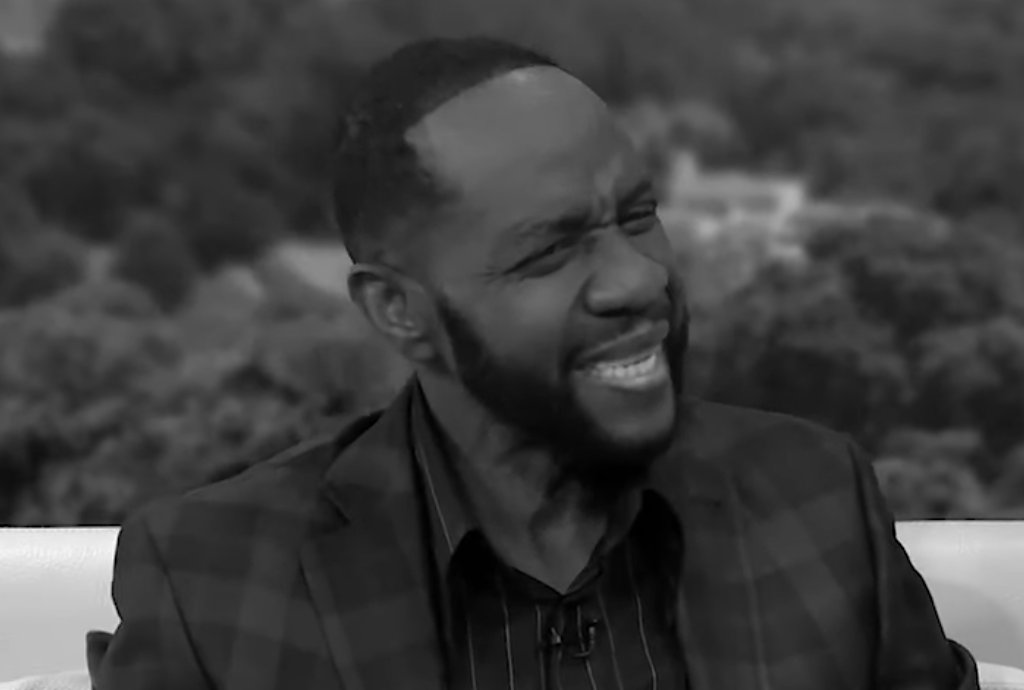
Somewhere in the city tonight, a radio is on low and a slow song is playing. The voice is a tenor that never seems to hurry. It belongs to a man from Harlem who made the late hours sound like a promise, and who is now gone.
Freddie Jackson died on Monday, October 5. His family announced the news on Tuesday through his verified Instagram account, Billboard reported. No cause of death was given. He had turned a year older only days earlier, on October 2. Outlets disagree on his birth year, so some put his age at 69 and others at 70.
"Freddie was more than a legendary voice. He was a kind, generous soul who loved his fans, his family, his friends, and his music with everything he had," the family statement read, as quoted by HuffPost. "For decades he gave us the songs that became the soundtrack to our love stories, our celebrations, and our most treasured memories."
From White Rock to the Club Circuit
The story starts in church. Jackson was born and raised in Harlem and sang gospel at White Rock Baptist Church, according to HuffPost. In that same stretch of his youth he met Paul Laurence, the producer and songwriter who would shape his records. Billboard reports that Jackson joined Laurence's group, LJE, and began playing New York clubs before heading west in the late 1970s to front the California funk band Mystic Merlin.
He came back to New York and back to Laurence, this time at Hush Productions. He sang demos. He sang background vocals for Melba Moore, Evelyn "Champagne" King and Angela Bofill, Billboard notes. In a 1989 interview republished this week by the San Diego Union-Tribune, the paper recalled that his career had stalled so badly at one point that he was working full time as a word processor.
Then Moore walked into a nightclub. In a 1985 interview with Jet, cited by Rolling Stone, she remembered hearing him three years earlier. "I said, 'My God, what a voice,'" she told the magazine. "I just screamed like everybody else." She hired him as a backup singer and helped him land a deal at Capitol Records.
The Year of the Slow Jam
The deal paid off fast. Jackson's debut album, Rock Me Tonight, arrived in 1985. Its title track, a Laurence song, went to No. 1 on Billboard's R&B chart and reached No. 18 on the Hot 100. Rolling Stone reports that the album held the top spot on the R&B albums chart for 16 straight weeks and was later certified platinum. "You Are My Lady" followed it to No. 1. The next year brought two Grammy nominations, for best new artist and for best male R&B vocal performance.
The run that followed made him, in HuffPost's words, a fixture of contemporary urban radio through the 1980s and early 1990s. Between 1985 and 1992 he logged 10 No. 1 R&B singles, Billboard reports, among them "Tasty Love," "Have You Ever Loved Somebody," "Jam Tonight," "Nice 'N' Slow," "Hey Lover," "Love Me Down" and his duet with Moore, "A Little Bit More." All told he placed 35 songs on the R&B chart. Nineteen reached the top 10. Four of his albums went to No. 1 on the R&B albums chart.
He knew what he was selling. In the 1989 Union-Tribune interview he waved off the sex symbol label. "Some people might think I'm sexy, some not. But I don't take it seriously. What I'm selling is my voice, not my looks," he said. He was just as plain about his intent. "I like romancing people with my music," he said.
"What I'm selling is my voice, not my looks."
That same year he told The New York Times, in a quote Rolling Stone revisited this week, that love songs had a job to do. "With all the racial tension going on today, all the hate, my songs, which are about love, make more sense than ever," he said.
A Benchmark for Cool
The charts moved on. New jack swing and hip-hop took over the 1990s, and Rolling Stone notes that Jackson did not hide his dislike of them. His chart run slowed, but he kept recording well into the 2000s, with albums like Transitions in 2006 and For You in 2010, and he remained a reliable concert and festival draw.
He also kept turning up in the culture. He sang as a lounge act on a 1989 episode of The Golden Girls. He made a cameo in the 1990 film King of New York. And a generation later, Big Boi of Outkast paid him the highest compliment on "So Fresh, So Clean," calling himself "cooler than Freddie Jackson sipping a milkshake in a snowstorm."
In 2024 Jackson shared that he had been diagnosed with kidney disease. "This journey has had its challenges but I've decided to face it with openness and resilience," he said in a video at the time, according to HuffPost. He partnered with the National Kidney Foundation to raise awareness.
Moore, the woman who heard him first, spoke this week too. "My heart is broken over the loss of a great singer and even a greater friend, Freddie Jackson," she said in a statement quoted by Billboard. She remembered his humor during their sessions. "I will forever miss my dear friend. Rest peacefully, Freddie."
Harlem has given the city a lot of late-night voices, and a lot of late nights worth remembering. Some of them are on the walls of Gerald Cyrus's uptown photographs. Jackson's are on the radio, where they always were. His family says details about arrangements and how to honor his legacy will follow in the coming days.