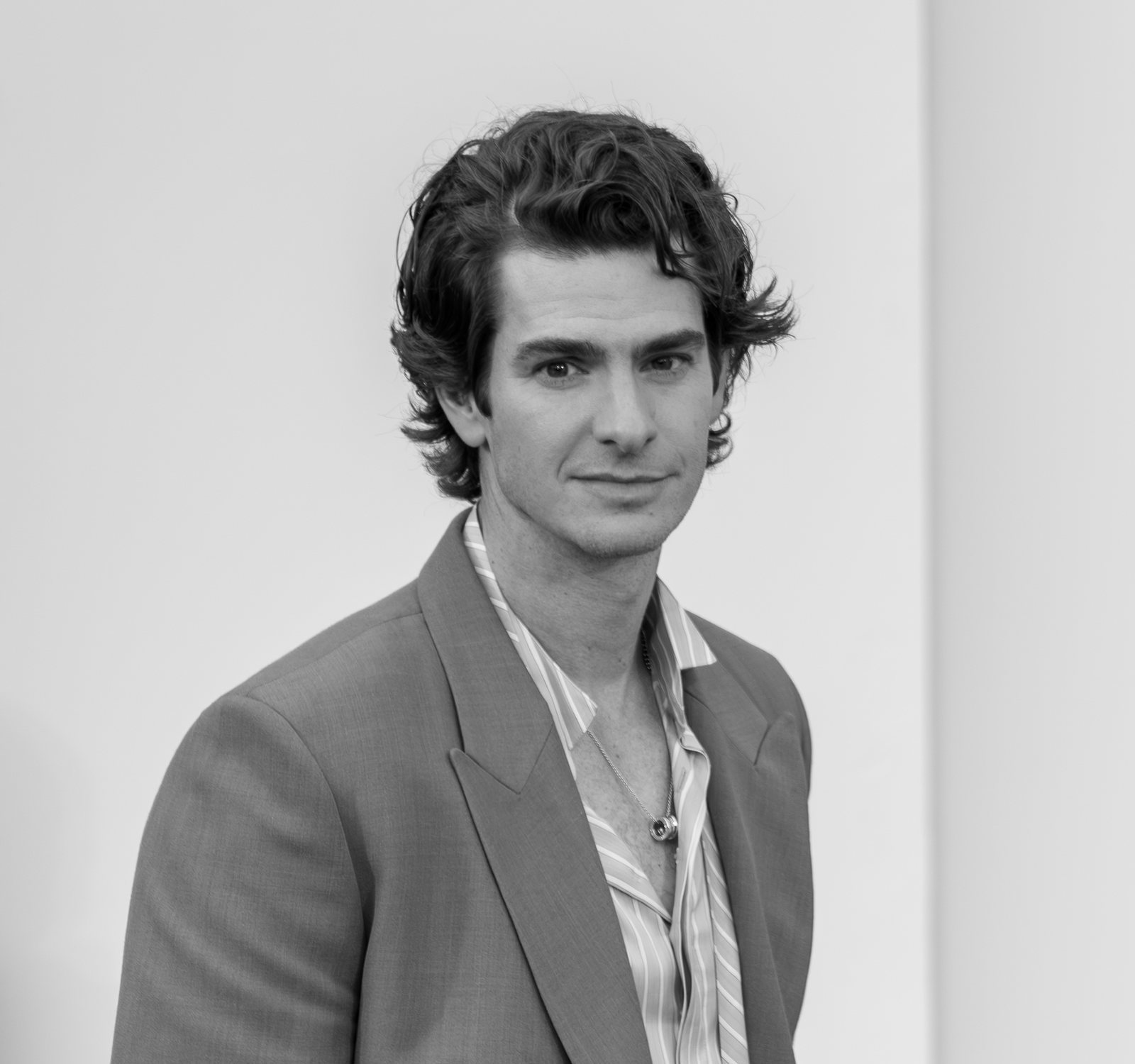
The Dancer Between Jobs, Auditions by Day and Clubs by Night
Auditions by day, clubs by night

We meet at a corner table in a hotel bar that has not changed its menu in decades. The choice was not an accident. Nothing about this person is an accident.
Success arrived slowly and then all at once. The adjustment, they admit, is still happening. There are more requests now, more attention, more people who want something. The trick has been learning which ones to say yes to.
None of this is written down anywhere official. There is no guidebook to the hours between midnight and dawn, and the people who know it best prefer it that way. What follows is one small piece of that map, pieced together over many nights and more than a few very early mornings.
Their routine is almost monastic. Up in the early afternoon, a long walk, a simple meal, and then work until the city goes quiet. Weekends do not really exist. Holidays are for other people.
What they love most about the job is not the glamour, which they find mostly tedious. It is the moment in the middle of a long night when everything is working, when the room is right and people are happy and nobody even knows they were responsible.
Paying It Forward
Family comes up only briefly and carefully. There are people at home who understand the hours and the absences, and who are the first to hear about the good nights. That support, they say, is the part of the story most profiles leave out.
New York has always kept two schedules. There is the city of commuters and deadlines, of lunch meetings and school runs, and then there is the other one, the city that wakes up when the office towers go dark. The second city runs on different rules. People speak more slowly. Favors matter more than money. And the best things happen in rooms you would never find unless someone decided you deserved to know about them.
The work has a physical cost that nobody talks about. Late nights, long hours on their feet, meals eaten standing up. They have learned to take care of themselves the way athletes do, with discipline that looks almost boring from the outside.
The city taught me everything, mostly by saying no.
They are unusually good at remembering things. Names, faces, drink orders, the name of someone's dog from a conversation three years ago. It is not a trick, they insist. It is just what paying attention looks like when you do it every single day.
There is a particular kind of loyalty that forms between people who share the same hours. The cook who clocks out at two and the bartender who closes at four and the driver who takes them both home know each other the way neighbors used to. They trade recommendations, cover for each other, and show up at each other's birthdays in rooms that stay open long past legal closing time.
The Cost
Colleagues describe them with a kind of protective loyalty. Everyone has a story, a favor done without being asked, a crisis quietly handled, a door opened at exactly the right moment. None of these stories were ever repeated by the person themselves.
Asked about regrets, they take the longest pause of the night. There are a few, mostly about time, about moments missed while working. But the list is short, and they seem to have made their peace with it.
What ties it all together is a kind of shared discretion. People here have seen a lot and repeated very little. The unspoken agreement is simple. What happens in the room stays in the room, and the room stays open as long as everyone keeps that promise. It is the oldest rule in the city, and it is still enforced.
I never wanted to be famous. I wanted to be good.
The Routine
Asked what comes next, they smile and change the subject. Some plans are better kept quiet until they are real, and they have been in this city long enough to know how quickly plans change.
Social media was supposed to ruin all of this. For a while it did, as crowds chased whatever location had been tagged the night before. But the places that lasted learned to protect themselves. Some ban phones outright. Others simply make the lighting so low that no photograph survives. The result is a return to something older, a scene you have to experience in person or not at all.
The early years were not glamorous. Night shifts, borrowed rooms, and a lot of people saying no. They remember each rejection with surprising fondness, describing them as the tuition they paid to learn how the city really works.
It is almost dawn when we part ways. They are heading home to sleep through the morning. The rest of the city is just getting started.