The Last Out at Shea, Jerry Koosman of the 1969 Mets Dies at 83
The left-hander who threw the complete game that won the Miracle Mets their first World Series died Sunday in Osceola, Wisconsin
Jerry Koosman, the left-handed pitcher who finished the 1969 World Series for the New York Mets with a complete game at Shea Stadium, died on Sunday, November 1, in Osceola, Wisconsin. He was 83.
Mets spokesman Jay Horwitz said he died surrounded by his children after about a year of illness, MPR News reports. The team announced it in one line. "We are saddened to share the news that Jerry Koosman has passed away," the Mets said, and sent their prayers to his family.
Fifty-seven Octobers ago, Flushing had the biggest night it has ever had. Koosman threw the last pitch of it.
What Did Koosman Do in the 1969 World Series?
He won two of the Mets' games against Baltimore, Game 2 and the clincher. In Game 2 he held the Orioles without a hit until the seventh inning, and the Mets won 2-1 to even the Series, according to MLB.com.
Game 5 came home to Shea. Koosman fell behind 3-0 in the third inning on home runs by Dave McNally and Frank Robinson, according to his Wikipedia biography, and then stopped giving anything away. He went the full nine. The final out was a fly ball from Davey Johnson that settled in Cleon Jones's glove in left field, MPR reports, and Koosman jumped into the arms of his catcher, Jerry Grote.
"We were so choked up with emotion we couldn't talk."
That is how he remembered the scene in Peter Golenbock's 2002 book, as quoted by MPR.
He was never meant to be the headliner that year. Tom Seaver was. Koosman went 17-9 with a 2.28 ERA in 32 starts as the No. 2 man in the rotation, and he was an All-Star in 1968 and 1969.
Where Did He Come From?
Minnesota. He was born in Appleton on December 23, 1942, and the Mets signed him in 1964 for $1,600, MLB.com reports. He made his debut on April 14, 1967.
He stayed 12 seasons. He threw 6 1/3 scoreless innings in Game 5 of the 1973 World Series against Oakland, a Series the Mets lost in seven, according to amNY. In 1976 he won 21 games with a 2.69 ERA and 200 strikeouts and finished second in the National League Cy Young voting to San Diego's Randy Jones.
The Mets traded him to the Minnesota Twins in December 1978. He pitched seven more seasons for the Twins, the White Sox and the Phillies and retired with 222 wins.
How Much of His Career Belonged to New York?
Most of it, and the numbers say so. Suite 646 set his Mets totals beside his career totals, as reported by MLB.com and MPR, and the percentages are our own arithmetic.
Seasons, 12 of 19, or 63 percent. Wins, 140 of 222, or 63 percent. Strikeouts, 1,799 of 2,556, or 70 percent.
He pitched more than a third of his career somewhere else and still struck out seven of every ten batters he ever fanned in a Mets uniform. MLB.com lists him as the franchise's left-handed leader in starts (346), complete games (108), wins (140) and innings (2,544 2/3), and tied with Jon Matlack for shutouts at 26.
The Number on the Wall
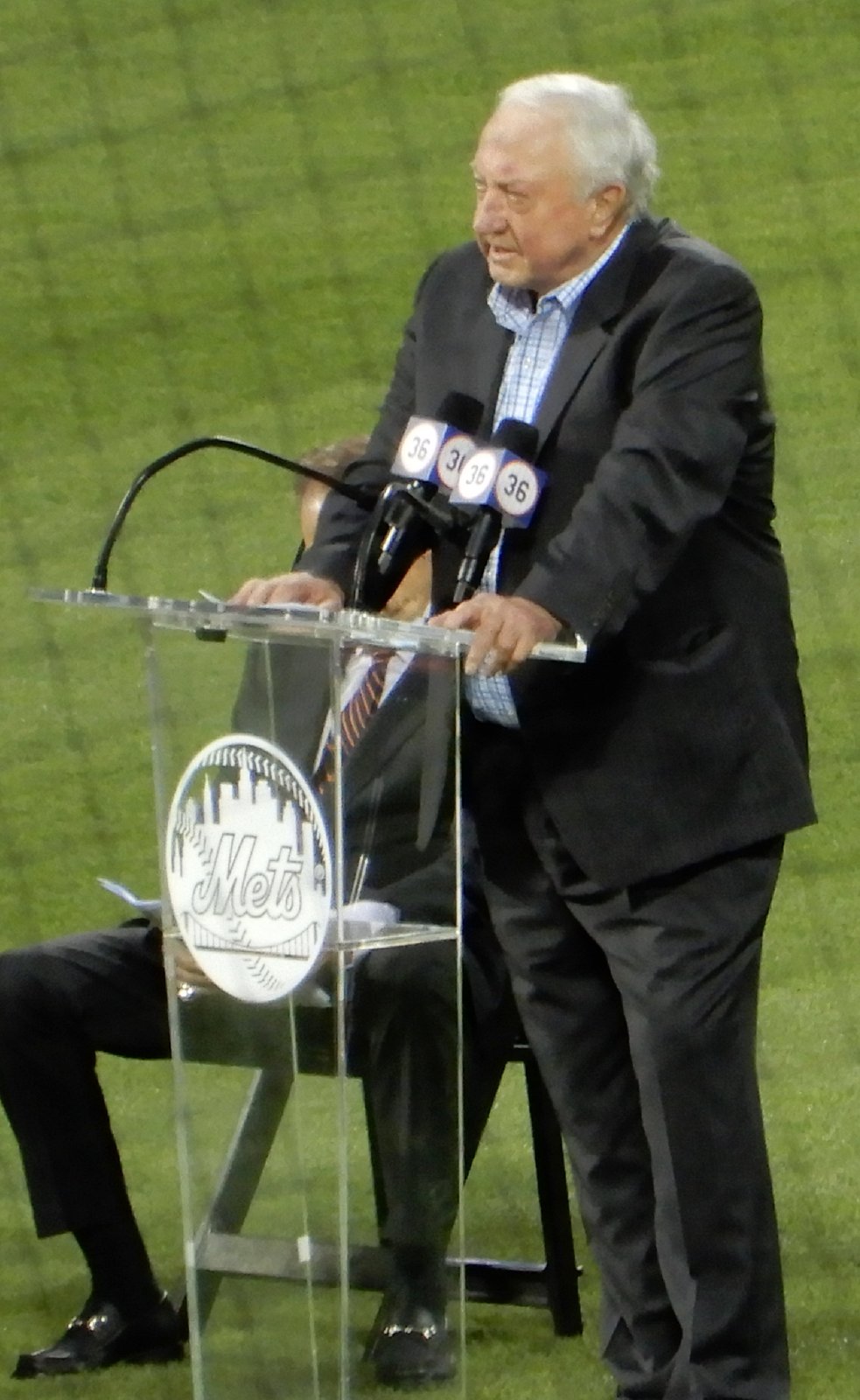
The Mets put him in their Hall of Fame in 1989. They waited until August 28, 2021, to retire his No. 36 at Citi Field, the night the photo above was taken. It was only the third number the club had ever retired.
Our timeline of those three is short. Tom Seaver's 41 came first, then Mike Piazza's 31, then Koosman's 36, MLB.com reports. Two of the three pitched on the same staff in 1969.
"I'm thankful that they thought so much of me to retire my number," Koosman said that summer. His old teammate Ron Swoboda put it in four words in 2021. "He was a warrior."
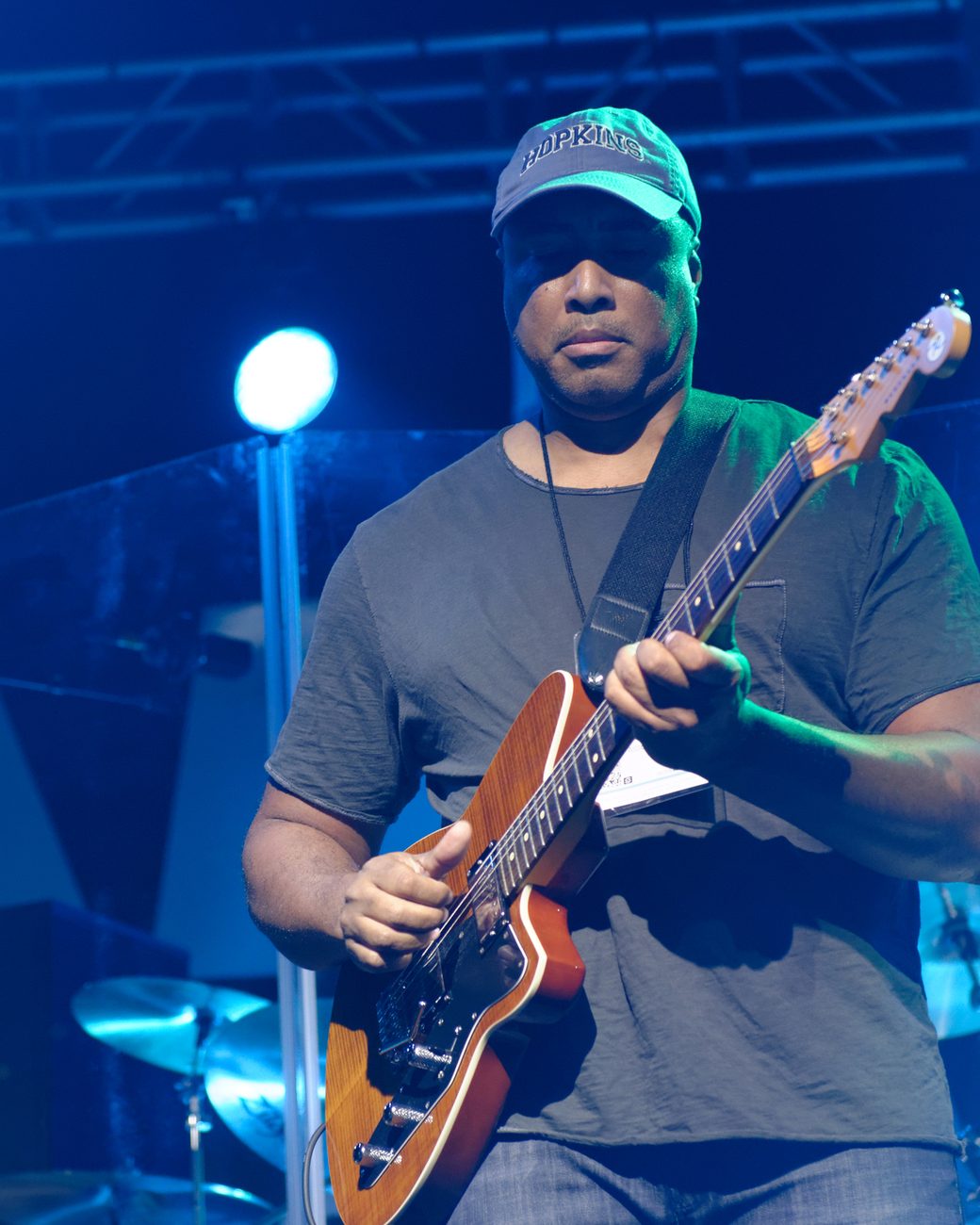
The city keeps its retired numbers close. Last month another one went to Broadway, when the Yankees great Bernie Williams sat in with the Buena Vista Social Club band on West 45th Street. Across town in October, the Bronx had its own night in the good seats when Dua Lipa turned up at a Yankees playoff game.
He is survived by his sons, Michael and Shawn, and his daughter, Danielle, MPR reports.
Shea Stadium is gone. The last out of 1969 still lands in left field.