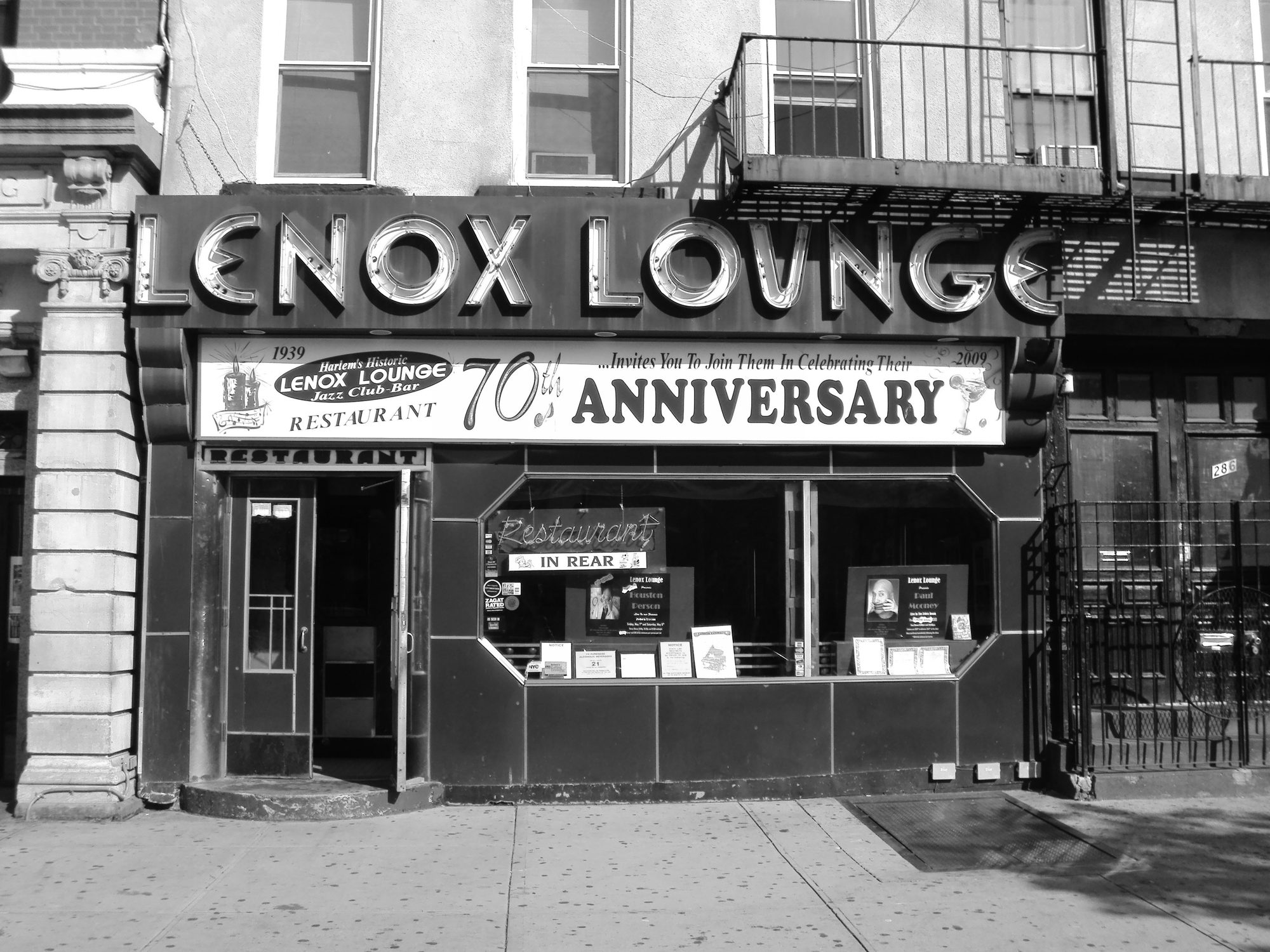
The Sign Painter's Hand, Gold Leaf on New York Storefront Glass
Gold leaf and patience on storefront glass

The work is dark in every sense. Deep blacks, low light, figures half lost in shadow, and a mood that follows you out of the room and down the stairs and all the way home.
Galleries have learned to adapt. Some open only by appointment. Others host late viewings lit entirely by candles. A few have abandoned walls altogether and show work in hotel rooms, basements, and empty storefronts for a single night.
Much of this world was supposed to disappear. Rents climbed, the old bars sold their liquor licenses to chains, and every few years someone writes the obituary for downtown. But the night has a way of relocating rather than dying. It moves a few blocks east, crosses a bridge, finds a basement nobody else wanted, and starts again.
Light is the recurring subject, or rather its absence. The best work here is built around shadow, around what the eye cannot quite resolve. Viewers find themselves stepping closer and closer, and the piece rewards them for it.
What remains, after all the talk about process and price, is the feeling of having seen something private. That, several collectors told us, is what they are actually paying for.
In Shadow
The market is a strange presence in all of this. Prices have climbed, auction houses have started calling, and a few pieces have changed hands for sums the artist finds embarrassing. None of it, they insist, changes what happens in the studio.
By the end of the night, the city starts to feel smaller. The same faces appear in different doorways. Someone you met at nine turns up again at two, and by four you are sharing a cab across the bridge. That is the real magic of New York after dark. Eight million people, and somehow you keep running into the ones who matter.
Materials matter enormously. Charcoal made from a specific vine. Paper from a mill that closed in the 1990s. Paint mixed by hand from pigments sourced across three continents. The obsession is not about luxury. It is about control over every inch of the surface.
Darkness is just light that is waiting to be noticed.
The process is slow on purpose. A single piece can take a year, and many are destroyed before anyone else ever sees them. The artist describes it less as creation than as excavation, removing everything that does not belong until only the true thing is left.
Money moves differently after dark too. Nobody pulls out a card at the places that matter. Tabs are kept in someone's head. Debts are settled with introductions, with a good word to the right person, with a table held open on a busy Saturday. It is an economy that runs on memory, and it has outlasted every recession the city has thrown at it.
What Remains
Photography holds a special place in this world. Film has made a serious comeback among younger artists, who talk about grain and chemistry and the discipline of having only thirty-six exposures with an almost religious intensity.
Community is quieter in the art world than people assume. Artists visit each other's studios late at night, share materials, trade critiques over bad wine, and cover each other's rent in lean months. The public sees the openings. The real scene happens in between.
Ask anyone who has lived here long enough and they will tell you the city rewards patience. The good table opens up at 11:40. The real conversation starts after the second round. The person you came to meet arrives an hour late and makes the whole night worth it. Rushing is for tourists. The locals know how to wait.
The studio is the only place I am completely honest.
Working Nights
The studio itself has become part of the work. Stains on the floor, notes on the walls, a broken chair that has been sat in for fifteen years. Visitors are rarely allowed in, and those who are describe it as entering someone else's mind.
There is always a moment, somewhere around three in the morning, when the noise drops and the city seems to take a breath. The traffic lights keep cycling for nobody. A single figure crosses the avenue with a coat over one shoulder. In that pause you can hear the hum of the whole place, the power lines and the subway vents and the distant sirens, all of it keeping time.
Restoration and preservation are part of the conversation too. Old work fades, cracks, and yellows, and the people who care for it are among the most skilled and least celebrated artists in the city.
What remains is the feeling of having seen something private. That is the real subject of the work, and it is the reason people keep coming back.