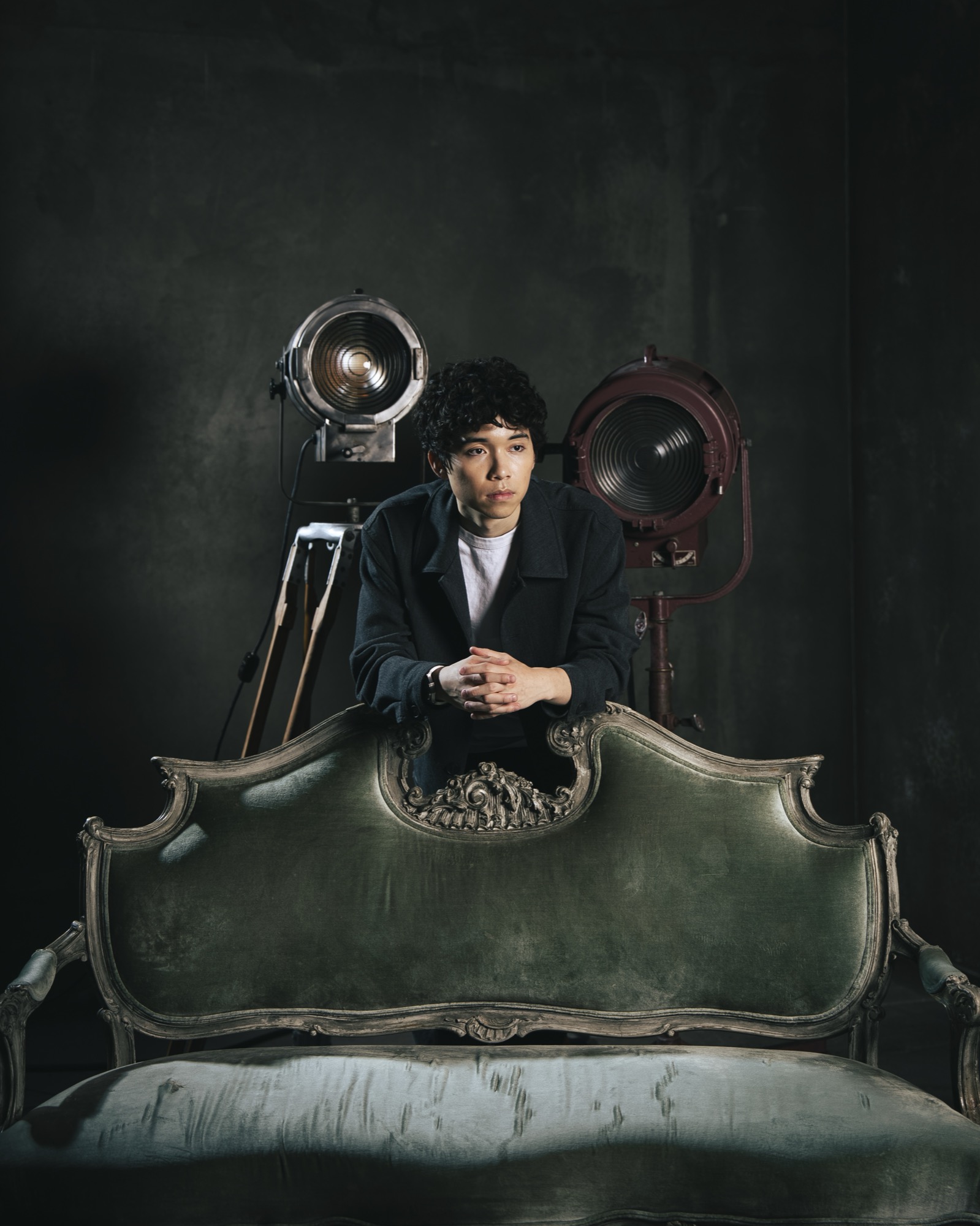
The Stylist's Stylist Who Dresses the People Who Dress Everyone Else
She dresses the people who dress everyone else

They arrive exactly on time, order a black coffee at eleven at night, and apologize for being early. It sets the tone for everything that follows.
The city has changed around them. Neighborhoods turned over, favorite places closed, and friends moved away for cheaper rent and quieter lives. They stayed. Asked why, they shrug. This is where the work is, and the work is who they are.
The light is what you notice first. Sodium lamps turn the avenues the color of weak tea, and the side streets fall into a deep blue that makes every lit window look like a stage set. Cabs slide past with their roof lights off. A delivery bike hums by, then silence, then the rattle of a steel gate coming down somewhere around the corner.
Their routine is almost monastic. Up in the early afternoon, a long walk, a simple meal, and then work until the city goes quiet. Weekends do not really exist. Holidays are for other people.
They are unusually good at remembering things. Names, faces, drink orders, the name of someone's dog from a conversation three years ago. It is not a trick, they insist. It is just what paying attention looks like when you do it every single day.
The Early Years
The work has a physical cost that nobody talks about. Late nights, long hours on their feet, meals eaten standing up. They have learned to take care of themselves the way athletes do, with discipline that looks almost boring from the outside.
New York has always kept two schedules. There is the city of commuters and deadlines, of lunch meetings and school runs, and then there is the other one, the city that wakes up when the office towers go dark. The second city runs on different rules. People speak more slowly. Favors matter more than money. And the best things happen in rooms you would never find unless someone decided you deserved to know about them.
Asked about regrets, they take the longest pause of the night. There are a few, mostly about time, about moments missed while working. But the list is short, and they seem to have made their peace with it.
The best nights are the ones where nobody knows I was there.
There is a generosity to the way they talk about younger people coming up behind them. They take calls, offer advice, and occasionally make introductions that change careers. It is, they explain, how someone once helped them.
Ask anyone who has lived here long enough and they will tell you the city rewards patience. The good table opens up at 11:40. The real conversation starts after the second round. The person you came to meet arrives an hour late and makes the whole night worth it. Rushing is for tourists. The locals know how to wait.
The Routine
The early years were not glamorous. Night shifts, borrowed rooms, and a lot of people saying no. They remember each rejection with surprising fondness, describing them as the tuition they paid to learn how the city really works.
Success arrived slowly and then all at once. The adjustment, they admit, is still happening. There are more requests now, more attention, more people who want something. The trick has been learning which ones to say yes to.
What ties it all together is a kind of shared discretion. People here have seen a lot and repeated very little. The unspoken agreement is simple. What happens in the room stays in the room, and the room stays open as long as everyone keeps that promise. It is the oldest rule in the city, and it is still enforced.
I stayed because this is where the work is.
Paying It Forward
Family comes up only briefly and carefully. There are people at home who understand the hours and the absences, and who are the first to hear about the good nights. That support, they say, is the part of the story most profiles leave out.
By the end of the night, the city starts to feel smaller. The same faces appear in different doorways. Someone you met at nine turns up again at two, and by four you are sharing a cab across the bridge. That is the real magic of New York after dark. Eight million people, and somehow you keep running into the ones who matter.
Colleagues describe them with a kind of protective loyalty. Everyone has a story, a favor done without being asked, a crisis quietly handled, a door opened at exactly the right moment. None of these stories were ever repeated by the person themselves.
They ask that we not make too much of them. It is a reasonable request, and one we have tried, and probably failed, to honor.